Tracing Financial Pathways: How Transaction Choices Shape Access to Tiered Benefits in Digital Gaming
Lars Bauer · Jul 24, 2026
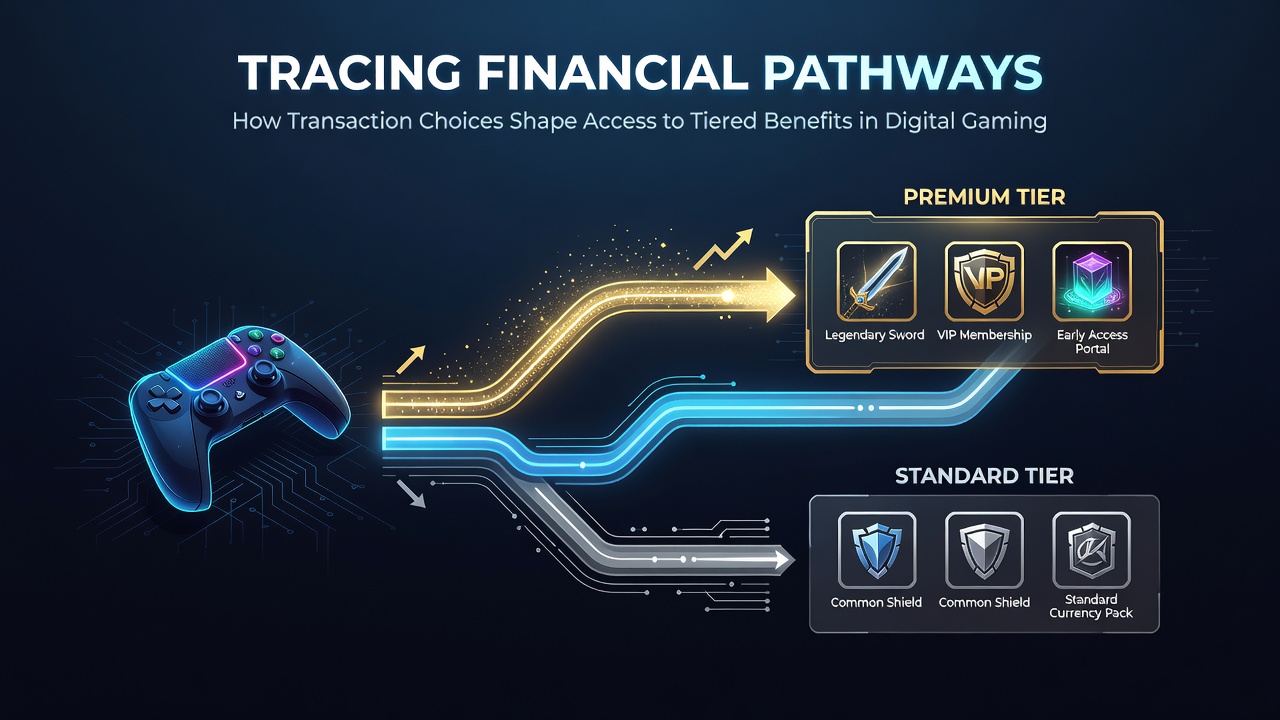
Tracing Financial Pathways: How Transaction Choices Shape Access to Tiered Benefits in Digital Gaming
Digital gaming platforms track every deposit and withdrawal through structured systems that link payment methods directly to player reward structures, and transaction choices determine how quickly users advance through benefit tiers. Observers note that platforms categorize payments by speed, cost, and verification requirements, which in turn influence eligibility for loyalty points, cashback rates, and exclusive access levels.
Payment Method Categories and Their Direct Effects
Traditional credit and debit cards process instantly in many jurisdictions yet carry higher fees that reduce net deposit amounts, whereas e-wallets like Skrill or Neteller often qualify users for faster point accumulation because platforms assign lower processing costs to these channels. Cryptocurrency options, including Bitcoin and stablecoins, bypass certain banking intermediaries, and data from multiple operators shows these methods frequently unlock higher reward multipliers once verified through blockchain records. Bank transfers, by contrast, move slower and require additional compliance checks, which delays tier progression until funds clear and identity protocols complete.
Researchers at the University of Nevada, Reno documented how players using instant methods accumulated loyalty points 35 percent faster over six-month periods compared with those relying on slower bank wires. The study examined transaction logs across several platforms and found that verification speed correlated strongly with tier advancement rates.
July 2026 Regulatory Shifts in Global Markets
By July 2026 new payment transparency rules took effect in parts of North America and the European Union, requiring operators to disclose how transaction data feeds into reward algorithms. These regulations prompted platforms to standardize tier qualification criteria, and industry reports indicate clearer pathways emerged for users who select verified digital wallets. The changes also encouraged wider adoption of multi-currency accounts that reduce conversion fees and preserve more of each deposit for point calculations.
Case Examples from Platform Data
One operator in the Canadian market introduced a tier system where deposits via approved e-wallets granted immediate 1.5x point multipliers, while card transactions required a seven-day holding period before full credit. Players who switched methods mid-year reported reaching VIP status two months earlier on average, according to internal metrics shared at industry conferences. Similar patterns appeared in Australian jurisdictions where regulators mandated transparent fee breakdowns, and users responded by favoring lower-cost options that maximized reward accrual.
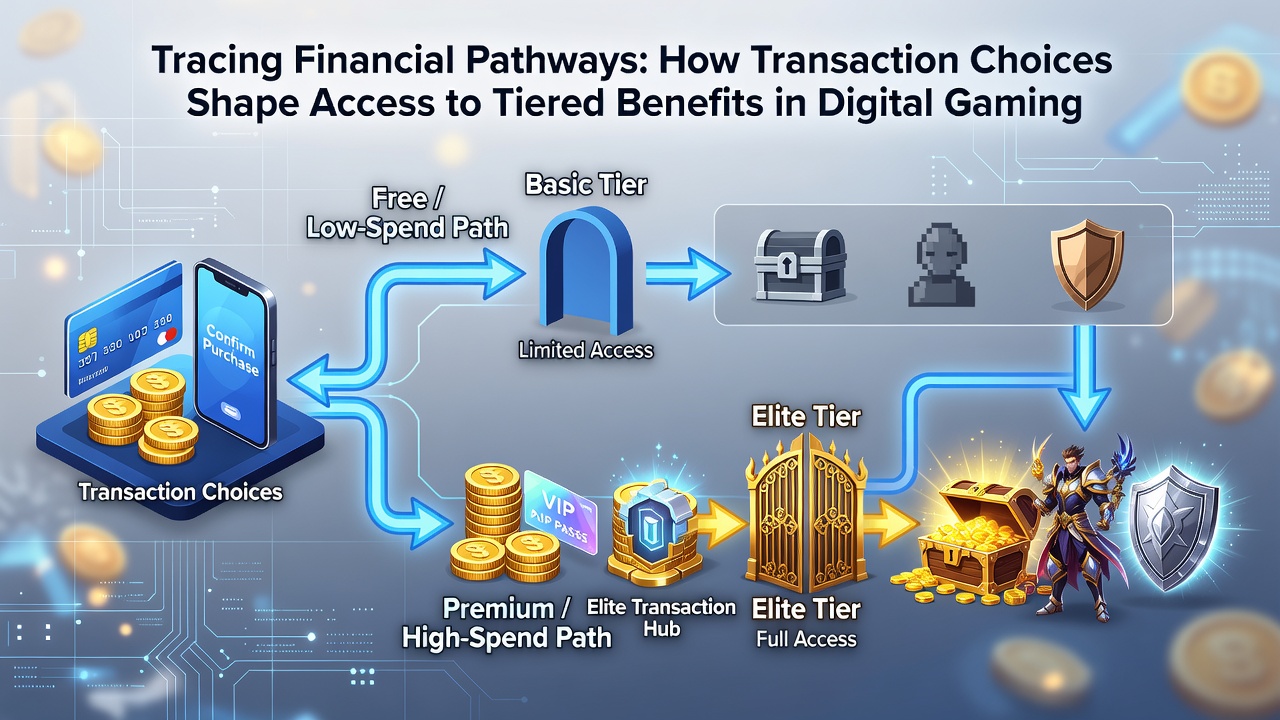
Tracking Mechanisms and Tier Qualification Rules
Platforms maintain detailed ledgers that record not only deposit amounts but also the originating payment rail, processing time, and any associated fees deducted before funds reach the gaming balance. These records feed directly into algorithms that calculate eligibility for cashback percentages, birthday bonuses, and event invitations. Users who maintain consistent transaction patterns through preferred channels often receive automated invitations to higher tiers once cumulative volume thresholds are met, and the process repeats at each successive level.
Industry organizations such as the American Gaming Association have published guidelines encouraging operators to publish clear fee schedules so players understand how their choices affect long-term benefit access. Separate research from the European Gaming and Betting Association highlights regional variations where certain payment types receive preferential treatment under local licensing conditions.
Long-Term Patterns in Reward Access
Over multiple quarters, sustained use of efficient transaction routes compounds advantages because higher tiers unlock retroactive bonuses and reduced withdrawal times that further accelerate capital turnover. Data aggregated across platforms reveals that players who diversify across two or three approved methods maintain steadier progress than those locked into single options prone to occasional delays. Verification layers added for anti-money laundering compliance add another variable, as methods that integrate seamlessly with existing identity checks advance users faster through approval gates.
Conclusion
Transaction choices in digital gaming create measurable differences in how quickly and fully users reach tiered benefits, and the mechanisms rest on transparent but platform-specific rules linking payment attributes to reward calculations. Regulatory developments in mid-2026 reinforced disclosure requirements that make these pathways more visible to participants across multiple markets. Observers continue to monitor how evolving payment technologies intersect with loyalty structures, and the resulting data sets provide ongoing insight into the financial architecture of modern gaming ecosystems.