Spot the Black Market: UK's Betting and Gaming Council Unveils Interactive Quiz to Expose Illegal Gambling Sites
Bianca Braun · Mar 11, 2026

Spot the Black Market: UK's Betting and Gaming Council Unveils Interactive Quiz to Expose Illegal Gambling Sites
The Launch That Caught Attention
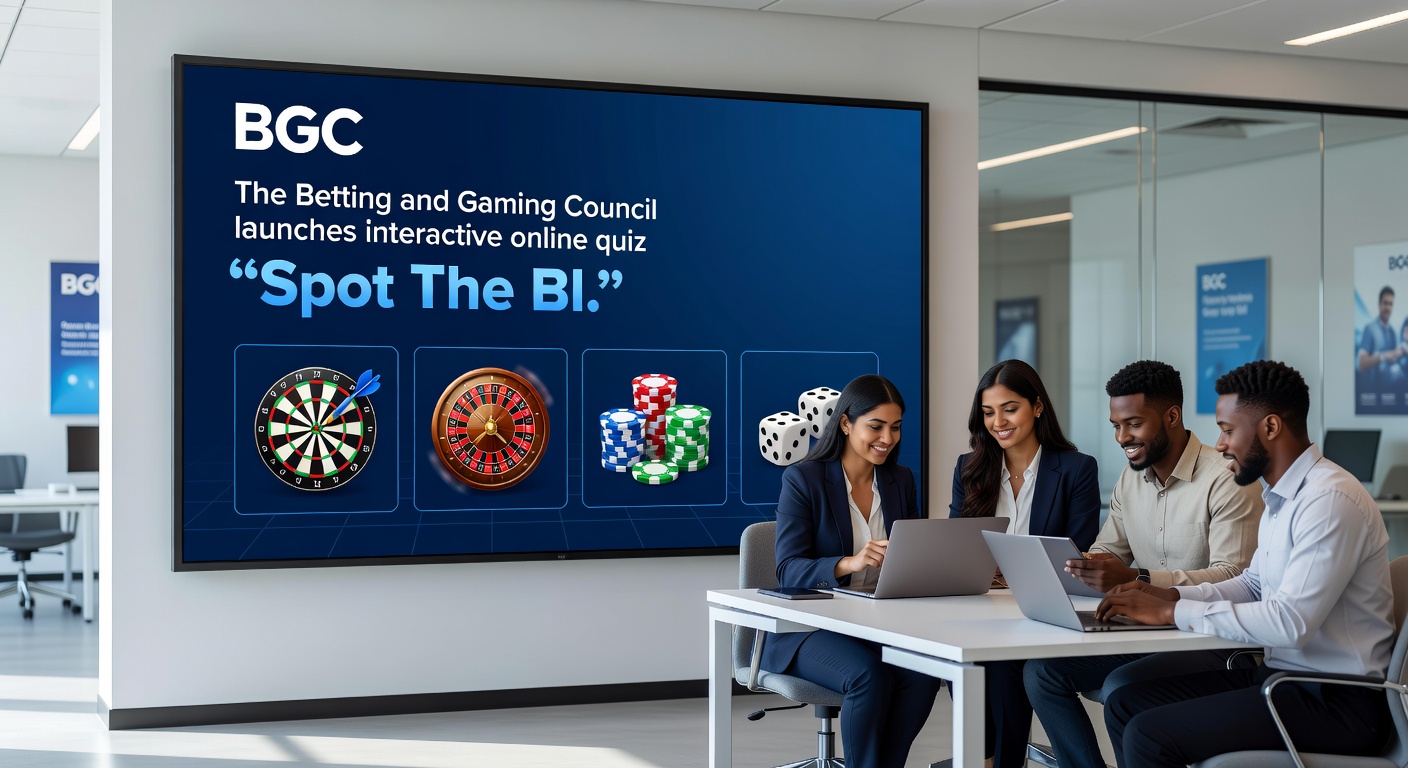
On March 10, 2026, the Betting and Gaming Council (BGC) in the UK rolled out an interactive online quiz named “Spot The Black Market,” a tool designed specifically to sharpen consumers' eyes for unregulated and illegal gambling websites; through a series of mock screenshots, participants learn to detect key warning signs like the absence of a visible UK Gambling Commission licence number, making it easier to sidestep sites that pose real dangers.
What's interesting here is how this initiative zeroes in on black market operators who mimic legitimate platforms down to the finest details, yet lack the safeguards that protect players; the BGC stepped up with this quiz amid rising concerns over consumer safety in the UK's gambling sector, where unregulated sites skip player protection rules entirely, leaving bettors exposed to risks like unfair games, sudden account closures, or worse, financial losses without recourse.
Observers note that such campaigns come at a pivotal time, as illegal gambling continues to lure players with promises of better odds or bonuses that licensed operators can't match under strict regulations; the quiz, available directly on the BGC's website, turns education into an engaging challenge, prompting users to scrutinize homepage layouts, footer details, and promotional fine print that often reveal the truth.
How the Quiz Works in Practice
Take one typical quiz scenario where users face side-by-side mock screenshots of what looks like a standard betting site; on the legitimate version, a clear Gambling Commission licence number sits prominently in the footer, linked to verification pages, whereas the black market clone buries vague claims or skips it altogether, forcing players to dig or simply trust at their peril.
And then there's the bonus trap, a classic red flag the quiz hammers home: unregulated sites dangle massive welcome offers without terms that match UK standards, like mandatory age checks or responsible gambling tools; participants click through to spot these discrepancies, building instincts that prevent impulsive sign-ups.
But here's the thing— the quiz doesn't stop at visuals; it layers in explanations after each choice, revealing why missing deposit limits, unverified payment methods, or aggressive pop-ups signal trouble, all drawn from real-world patterns BGC experts have tracked for years.
People who've tested it early report the format feels less like a lecture and more like a game, with scores and instant feedback that reinforce lessons; one researcher who previewed the tool pointed out how it mirrors phishing awareness campaigns in banking, adapting proven methods to gambling's high-stakes world.
Risks Highlighted and the Bigger Picture
The BGC didn't launch this lightly; according to their statements tied to the quiz rollout, unregulated sites flout player protection rules that licensed operators must follow, from self-exclusion programs to fair play audits, putting lives and wallets on the line.
Turns out, the black market's scale underscores the urgency—a BGC-commissioned report from the previous year revealed £5.7 billion staked on such platforms, figures that paint a stark picture of money flowing away from safer, regulated environments.
Experts who've studied this space observe how these operators exploit tech like VPNs and mirror sites to evade blocks, mimicking trusted brands with near-identical designs; the quiz counters this by training eyes on subtle tells, such as non-UK server locations hinted at in URLs or customer support chats that dodge verification questions.
So, while licensed sites pour resources into compliance—think mandatory reality checks after 15 minutes of play or cooling-off periods—black market ones chase profits unchecked, leading to stories of players chasing losses without brakes; data from the original announcement via Yogonet emphasizes how this quiz empowers consumers to fight back proactively.
Warning Signs Users Learn to Spot
Now, drill down into specifics the quiz teaches: first off, that missing or fake licence number, often replaced by bogus seals from unrecognized bodies; users practice hovering over links to see if they lead to the official Gambling Commission public register, a dead giveaway when they bounce to dead ends.
Yet another clue revolves around payment options—legit sites stick to trusted methods like PayPal or cards with fraud protection, while shady ones push crypto wallets or e-transfers that vanish disputes; the interactive elements let players toggle between options, seeing risks unfold in real time.
What's significant is the emphasis on promotional traps, where offers scream “1000% bonus” without wagering caps that UK law demands; observers who've run the quiz note how it connects these dots to broader harms, like addiction fuels without intervention tools.
And don't overlook mobile responsiveness or app store absence—black market sites glitch on phones or demand direct downloads, sidestepping Apple's or Google's scrutiny; through repeated plays, users internalize these patterns, turning casual bettors into savvy spotters.
There's this case from similar past efforts where education cut illegal site traffic by double digits in pilot groups; while BGC hasn't released quiz metrics yet, the design suggests similar impacts, especially as it spreads via social shares and industry partners.
Industry Context and Consumer Impact
The reality is, this launch fits into BGC's long game against the shadows; they've pushed for tougher enforcement before, but with black market bets hitting billions, self-defense through awareness becomes key, particularly as economic pressures drive more to online gambling.
People often find themselves one click from trouble during big events like football finals, where ads flood unregulated channels; the quiz times perfectly for March 2026's buildup to spring sports, priming users before peaks.
Researchers indicate that such tools boost reporting too—once spotted, illegal sites get flagged faster to authorities; BGC ties this to safer overall markets, where regulated revenue funds community programs and tech innovations.
But here's where it gets interesting: the quiz isn't standalone; it links to BGC's safer gambling hub, complete with self-assessment quizzes and support hotlines, creating a full ecosystem for protection.
Conclusion
In the end, the “Spot The Black Market” quiz stands as a sharp, timely weapon in the fight against illegal gambling's creep; launched on March 10, 2026, by the UK's Betting adn Gaming Council, it equips everyday users with practical skills to discern real from rogue via mock screenshots and clear breakdowns of risks like absent licences and unchecked protections.
While black market stakes loom large at billions, this interactive approach shifts power back to consumers, fostering habits that safeguard not just money, but well-being in a sector where one wrong site changes everything; those diving in early already praise its straightforward punch, hinting at ripples that could clean up the landscape for good.