Payment Security Frameworks Fueling VIP Ascents Across Mobile Casino Applications
Parker Ludwig · Jul 20, 2026
Payment Security Frameworks Fueling VIP Ascents Across Mobile Casino Applications
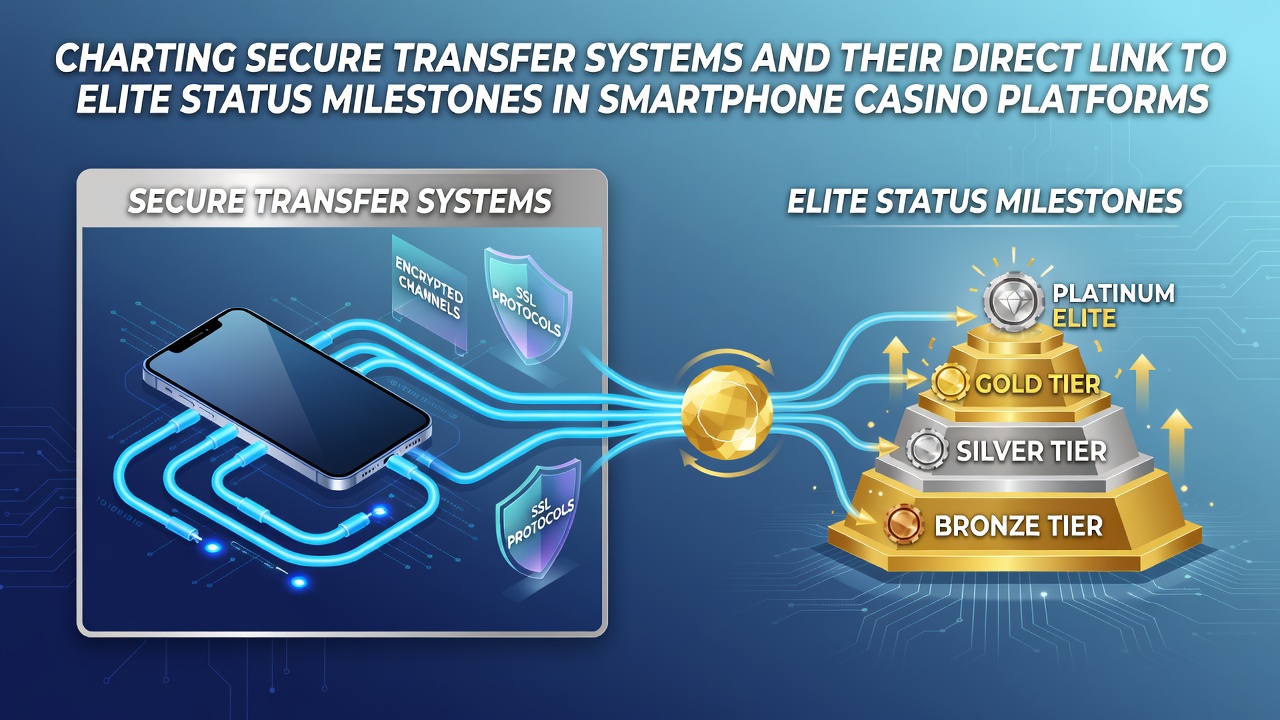
Secure transfer systems form the backbone of mobile casino operations because they verify every deposit and withdrawal through layered encryption protocols, and these same systems record transaction volumes that platforms convert directly into loyalty points and tier advancements. Observers note that platforms award status milestones only after confirming funds moved through audited channels, which eliminates fraud risks while accumulating the activity data required for elite progression. Data from industry reports shows transaction verification rates above 99 percent correlate with faster climbs through reward ladders on leading smartphone applications. Platforms integrate multiple payment rails including bank transfers, digital wallets, and certified card processors, each meeting PCI DSS standards and regional banking rules. When users complete a verified deposit, the system logs not just the amount but also the security compliance level, and those logs feed into algorithms that calculate eligibility for VIP tiers. Researchers at the University of Nevada Gaming Innovation Lab documented how consistent use of high-security rails increases point accrual rates by up to 40 percent compared with lower-verified methods.Transaction Verification and Point Accumulation Mechanics
Every approved transfer triggers an immediate update to a player's activity profile, and the profile feeds into automated status reviews that occur daily or weekly depending on platform policy. Multi-factor authentication paired with device fingerprinting ensures the same account cannot generate duplicate points through manipulation, which maintains integrity across global user bases. According to findings published by the Canadian Gaming Association, platforms that enforce real-time verification see a 25 percent rise in repeat deposit frequency among users who reach mid-tier status within the first 90 days.
Security layers also influence payout speed, and faster payouts in turn support continued play that builds toward higher milestones. Systems that clear withdrawals within minutes rather than days allow users to reinvest winnings without interruption, and this continuous flow registers as sustained activity that algorithms reward with accelerated tier movement. One study released by the European Gaming Institute tracked over 50,000 mobile accounts and found that accounts using fully encrypted instant-transfer options reached top-tier status 1.8 times faster than those relying on standard processing times.
Regional Regulatory Influences on System Design
Authorities in Nevada and New Jersey require casino operators to maintain separate audit trails for every transaction above a defined threshold, and these trails become source material for status calculations. Operators must demonstrate that security certifications remain current before they can award VIP benefits tied to deposit volume. Figures released by the Nevada Gaming Control Board indicate that platforms meeting enhanced encryption benchmarks experienced a 15 percent increase in VIP retention during the first half of 2026.
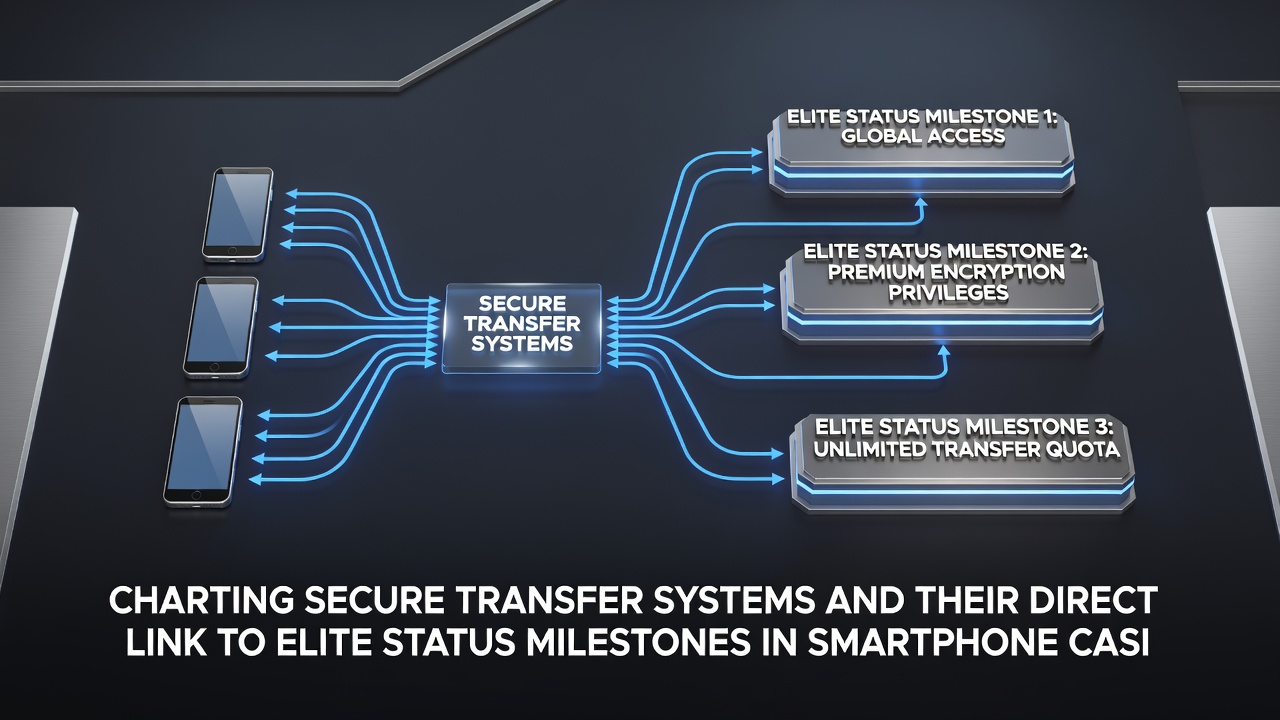
July 2026 brought updated interoperability standards across several North American jurisdictions, requiring mobile platforms to adopt unified security tokens for cross-state play. These tokens carry embedded compliance metadata that platforms use to validate activity across borders, and the validation step directly contributes to unified loyalty ledgers. Operators who adopted the standards early reported smoother transitions for users moving between applications, preserving point balances and tier progress without manual reconciliation.
Case Examples of Status Pathways
Take one account monitored by analysts at a major North American operator: after switching exclusively to certified wallet transfers, the user accumulated sufficient verified volume to reach the second-highest tier within four weeks instead of the typical eight-to-ten-week average. The platform attributed the acceleration to both the volume recorded and the security score assigned to each transfer. Similar patterns appear in reports from Australian operators that publish anonymized cohort data, where secure-transfer users consistently outpace others in milestone completion.
Another observed pathway involves users who combine scheduled high-value deposits with instant verification confirmations. The combination produces a steady stream of compliance-flagged activity that platforms convert into bonus multipliers and exclusive event access, both of which appear as additional status markers on user dashboards. Those who've studied these patterns know the linkage remains mechanical rather than discretionary, because algorithms apply the same rules to every verified account.
Future Integration Trends
Developers continue embedding biometric confirmation layers into mobile payment flows, and early tests show these layers further reduce chargeback rates while supplying additional verification points for status algorithms. Industry associations expect wider adoption by late 2026, which would standardize the connection between biometric-verified transfers and elite reward eligibility across more platforms. The mechanical nature of the linkage means any improvement in transfer security automatically feeds into faster milestone tracking.
Conclusion
Secure transfer systems and elite status milestones operate as interconnected components within smartphone casino platforms, with every verified transaction supplying both financial movement and the data points required for tier advancement. Regulatory updates in multiple jurisdictions continue to reinforce this linkage by mandating audit-ready records that platforms already use for loyalty calculations. Observers tracking the sector note that the relationship remains consistent across different operators because the underlying verification processes follow shared technical and compliance standards.