Navigating Transaction Pathways to Attain Elevated Membership Ranks in Handheld Interactive Entertainment Systems
Petra Carter · Jul 17, 2026
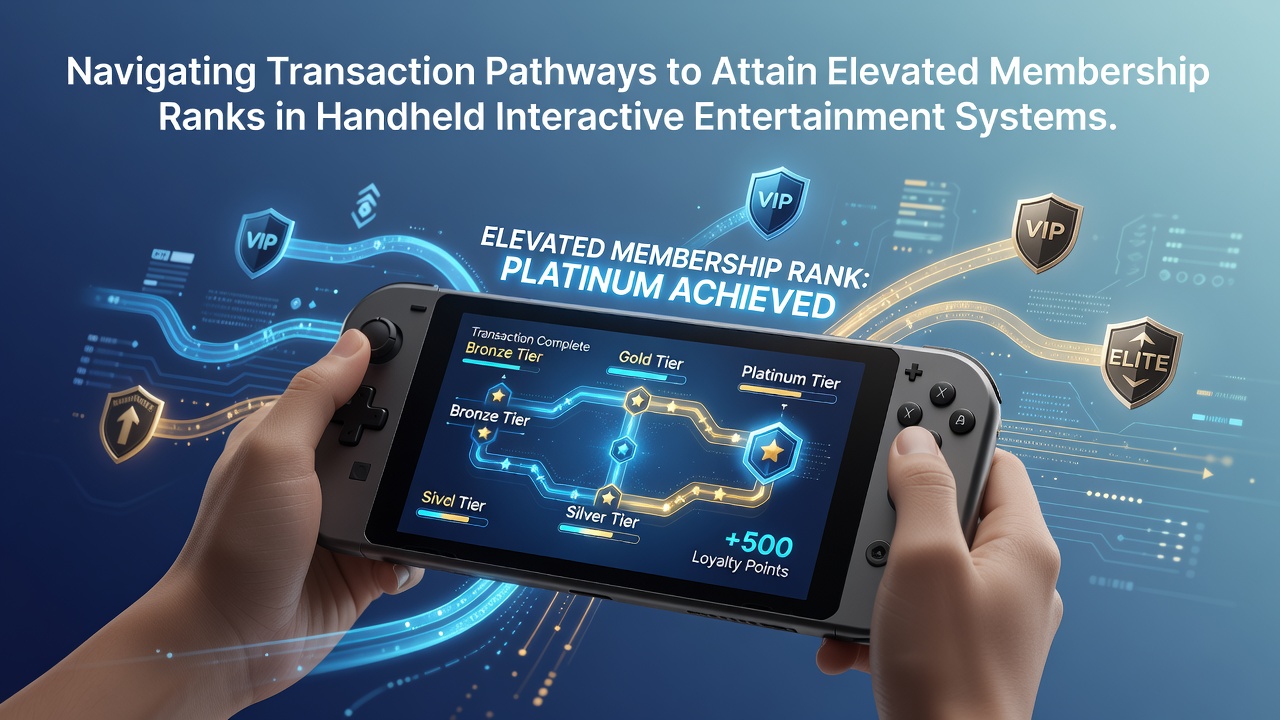
Navigating Transaction Pathways to Attain Elevated Membership Ranks in Handheld Interactive Entertainment Systems
Handheld interactive entertainment systems have evolved into platforms where users engage through structured transaction sequences that unlock successive membership tiers, and these pathways rely on consistent deposit activity combined with in-app activity metrics tracked by platform algorithms.
Transaction pathways typically begin with initial account funding via mobile payment processors, after which accumulated spend and play frequency contribute points toward rank elevation, while systems record each step to determine eligibility for higher status levels that offer expanded features and reward structures.
Core Components of Membership Progression
Platforms organize membership into graduated tiers that correspond to cumulative transaction volumes, and users advance by meeting thresholds that integrate both financial deposits and session durations across games such as slots and table formats. Research from the Alcohol and Gaming Commission of Ontario shows that mobile transaction logs form the primary data source for these calculations, allowing automated systems to evaluate progress without manual intervention.
Observers note that deposit methods including e-wallets and bank transfers feed directly into point accrual engines, whereas slower or less frequent transactions may extend the timeline required to reach elevated ranks, and this structure encourages regular engagement patterns among participants.
Payment Integration and Rank Acceleration
Payment flows in these systems connect user accounts to external processors that verify funds in real time, after which the platforms credit corresponding points that push individuals closer to the next tier boundary. Data indicates that certain processors integrate bonus multipliers during promotional windows, which can compress the number of required transactions needed for advancement.
Those who have studied these ecosystems find that instant payout options, once unlocked at mid-tier levels, create feedback loops where winnings return to the balance and support further deposits, thereby sustaining momentum toward senior membership categories without interruption.
Regional Regulatory Influences on Transaction Design
Regulatory frameworks in multiple jurisdictions shape how transaction pathways operate, with rules governing minimum deposit amounts and verification standards that affect the speed of rank attainment. According to reports published by the Nevada Gaming Control Board, licensed operators must maintain transparent logs of all mobile transactions, ensuring that progression systems remain auditable and compliant with consumer protection standards.
Platforms operating across borders often adjust their tier requirements to align with local statutes, and this results in variations where users in one region may reach elevated ranks faster than those subject to stricter verification protocols elsewhere.
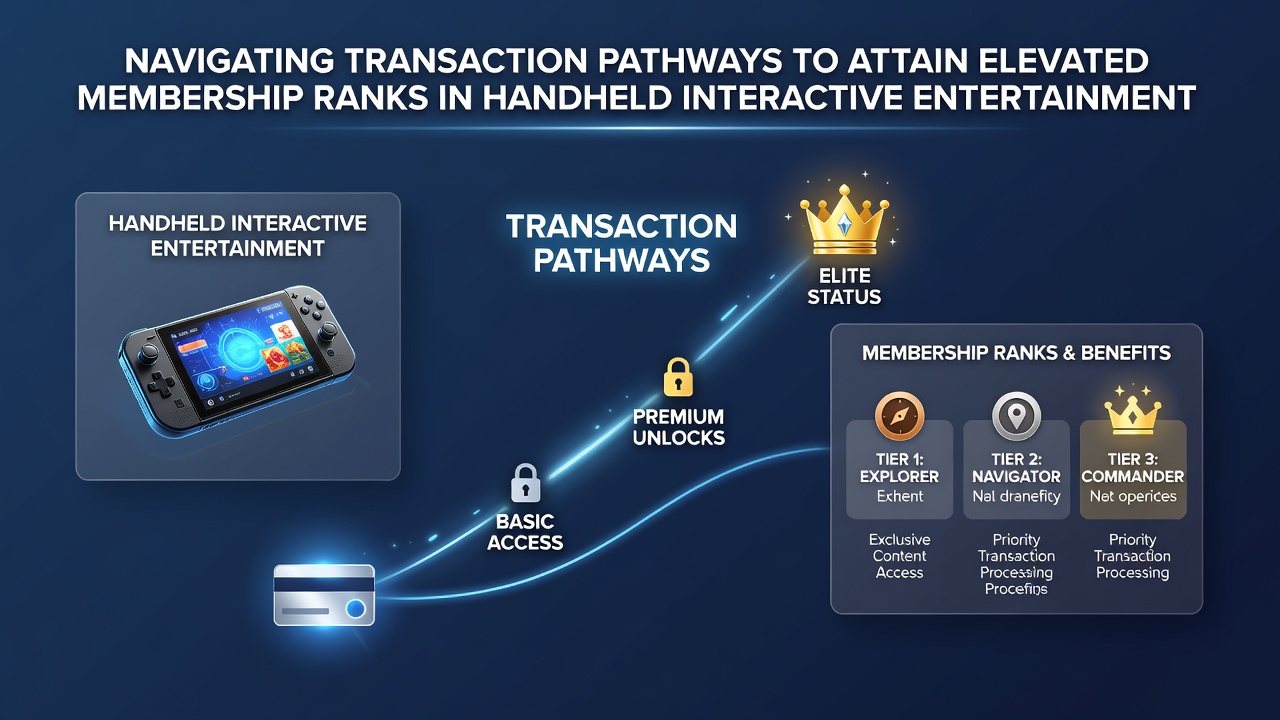
Industry analyses from the University of Nevada, Las Vegas International Gaming Institute highlight that transaction volume data collected through July 2026 reflects steady growth in mobile participation across handheld systems, with tier advancement rates correlating closely to the adoption of seamless payment integrations rather than to isolated promotional events.
Examples of Pathway Utilization
One documented case involved users who combined recurring scheduled deposits with live dealer sessions, reaching top-tier status within four months because the platform credited bonus points for consistent weekly activity. Another pattern emerged when participants leveraged instant withdrawal features at intermediate ranks, recycling returned funds into subsequent deposits that accelerated final elevation steps.
Academic examinations of user behavior in these environments reveal that individuals who diversify transaction types across multiple approved methods often accumulate points more efficiently than those relying on a single channel, because diversified activity sometimes triggers additional multipliers embedded in the ranking algorithms.
Future Developments in Transaction Architecture
Updates scheduled for rollout after July 2026 include enhanced API connections between mobile wallets and platform servers, which observers expect will reduce processing latency and allow point credits to register almost instantaneously upon deposit confirmation. These modifications aim to standardize progression timelines across different geographic markets while preserving compliance with varying regional oversight bodies.
Trade associations such as the European Gaming and Betting Association have published preliminary guidelines that encourage operators to display clear transaction-to-rank conversion tables within apps, enabling users to forecast advancement requirements based on projected activity levels.
Conclusion
Transaction pathways in handheld interactive entertainment systems function as interconnected sequences where each deposit and verified activity contributes measurable progress toward elevated membership ranks, and platform operators maintain these structures under regulatory scrutiny that varies by jurisdiction. Data compiled through mid-2026 demonstrates consistent correlation between transaction frequency, method diversity, and successful tier elevation across multiple markets. Users who map their deposit schedules against published tier thresholds can anticipate advancement timelines with greater precision, while ongoing technical refinements promise further streamlining of the underlying payment and point-tracking mechanisms.