Navigating Reward Structures: How Selected Transaction Methods Advance Players Through Mobile Platform Tiers
David Schmitz · Aug 24, 2026
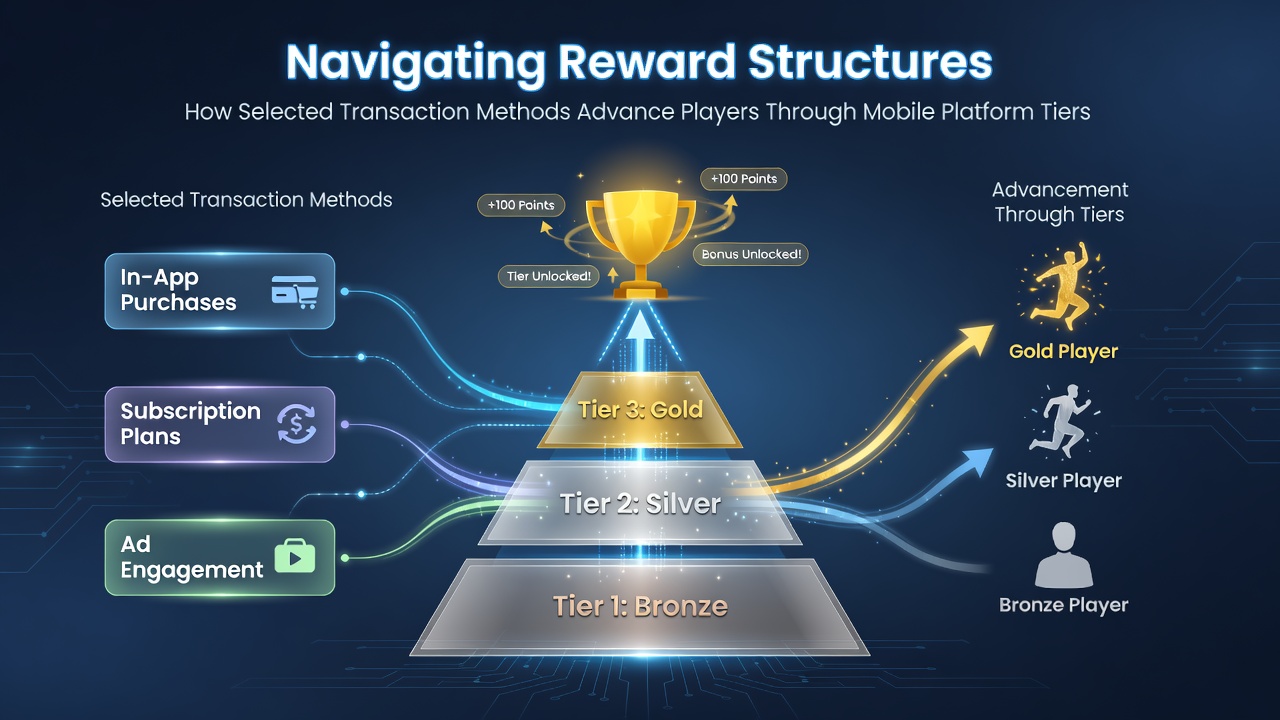
Navigating Reward Structures: How Selected Transaction Methods Advance Players Through Mobile Platform Tiers
Transaction methods play a central role in how players move between reward tiers on mobile gaming platforms, since deposit speed and payout efficiency directly influence session length and point accumulation rates. Platforms structure their loyalty programs around metrics such as total wagered amounts, frequency of deposits, and withdrawal patterns, all of which shift based on the payment rails users choose. Credit card transactions typically clear within seconds on most systems, enabling immediate gameplay and quicker progress toward the next tier threshold, whereas traditional bank transfers can introduce delays that stretch across one or two business days and slow momentum.
Payment Speed and Tier Progression Mechanics
Observers note that e-wallet services such as PayPal or Skrill integrate with mobile platforms through APIs that confirm funds in under a minute, allowing users to chain multiple deposits without interruption. This continuity supports steady accumulation of loyalty points because each transaction feeds into the same play session rather than resetting the clock. Data from industry reports indicates that players using instant deposit options record higher average daily wager volumes compared with those relying on slower methods, and the difference compounds over weekly or monthly tracking periods that determine tier status.
Cryptocurrency transfers add another layer because blockchain confirmations on networks like Bitcoin or Ethereum usually complete in ten to thirty minutes, yet once cleared they trigger the same reward calculations as any other deposit. Research from the University of Nevada, Reno shows that volatility in confirmation times can create uneven advancement patterns, with some users reaching silver or gold tiers faster during periods of low network congestion while others experience brief stalls. Mobile platforms often offset these variables by offering tier bonuses tied to transaction volume rather than exact timing, so the net effect remains positive for consistent users.
Regional Regulatory Influences on Transaction Choices
Regulators in multiple jurisdictions have begun examining how payment method availability affects player behavior and platform compliance. The Nevada Gaming Control Board publishes quarterly data on licensed operators, revealing that e-wallet adoption rates climbed steadily through mid-2026 as platforms adjusted interfaces to accommodate faster verification flows. Similar patterns appear in reports issued by the Australian Communications and Media Authority, which tracks cross-border transaction trends and notes that users in regions with stricter banking rules gravitate toward crypto options to maintain session continuity.
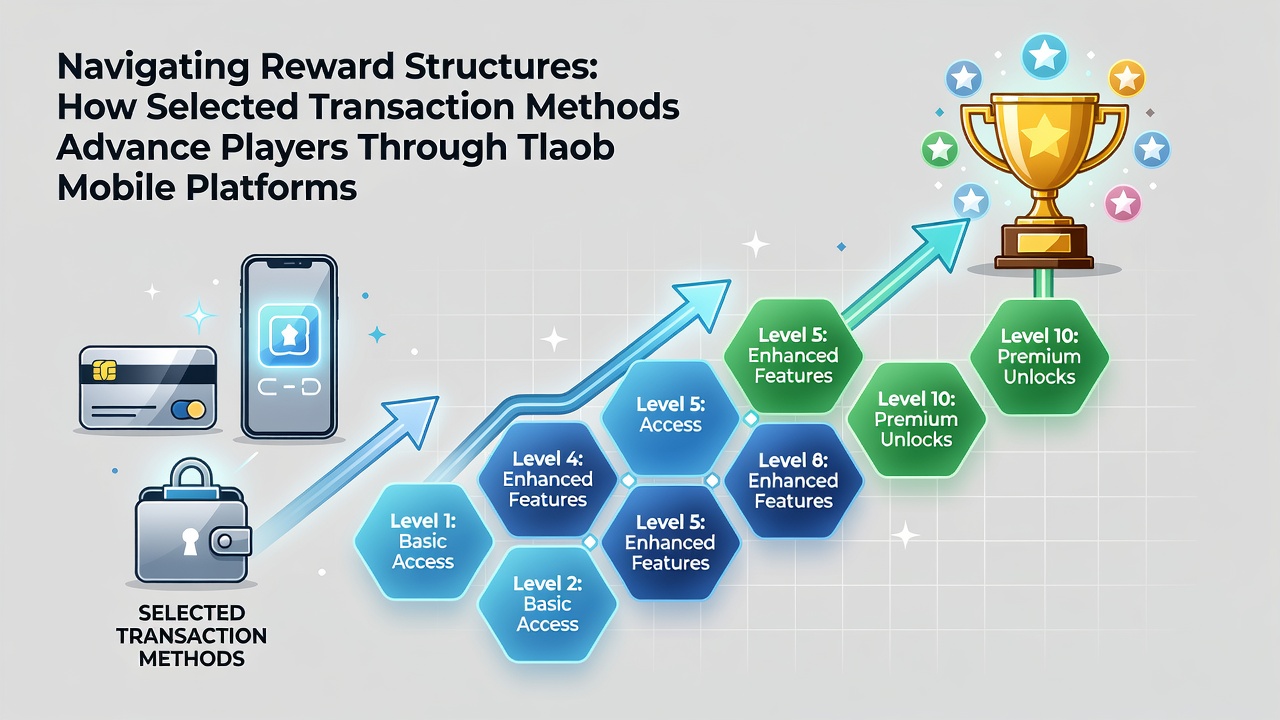
These regulatory snapshots highlight that platforms must balance speed with verification requirements, since anti-money-laundering protocols sometimes add manual review steps regardless of the chosen rail. When reviews extend beyond standard processing windows, players may see temporary holds on tier progression until funds are fully cleared and wagering begins. Industry associations such as the European Gaming and Betting Association compile case studies showing that operators who streamline verification for recurring users reduce these interruptions and support smoother advancement through bronze, silver, and platinum levels.
Examples of Transaction-Driven Advancement Patterns
Take one documented case where a player using recurring e-wallet deposits reached the top reward tier within four weeks, while an identical starting balance deposited via bank wire required seven weeks because of two separate processing delays. The difference stemmed entirely from session continuity rather than any difference in play strategy. Platform algorithms calculate tier points based on settled wagers, so uninterrupted access translates into more hands played and higher cumulative totals during each calendar period.
August 2026 brought updated reporting standards in several North American markets that require operators to disclose average deposit-to-gameplay intervals by payment type. Early figures suggest that platforms emphasizing instant options experienced measurable increases in mid-tier retention rates, as users encountered fewer friction points when moving from initial deposits to sustained activity. Those metrics feed back into loyalty structures because platforms adjust bonus multipliers and cashback percentages according to observed behavior across payment cohorts.
Conclusion
Transaction method selection therefore functions as a practical lever within mobile platform reward ecosystems, shaping how quickly and consistently players generate the activity required for tier advancement. Faster rails support extended sessions and higher point totals, while slower options introduce natural pauses that can stretch the timeline between levels. Regulatory data from varied regions continues to track these dynamics, supplying operators and users alike with clearer pictures of how payment infrastructure intersects with loyalty mechanics. As platforms refine their systems, the relationship between chosen transaction routes and reward progression remains a measurable factor in overall user movement through tier structures.