Mapping Reward Pathways Through Payment Diversity in Mobile Casino Loyalty Programs
Bianca Braun · Aug 3, 2026
Mapping Reward Pathways Through Payment Diversity in Mobile Casino Loyalty Programs
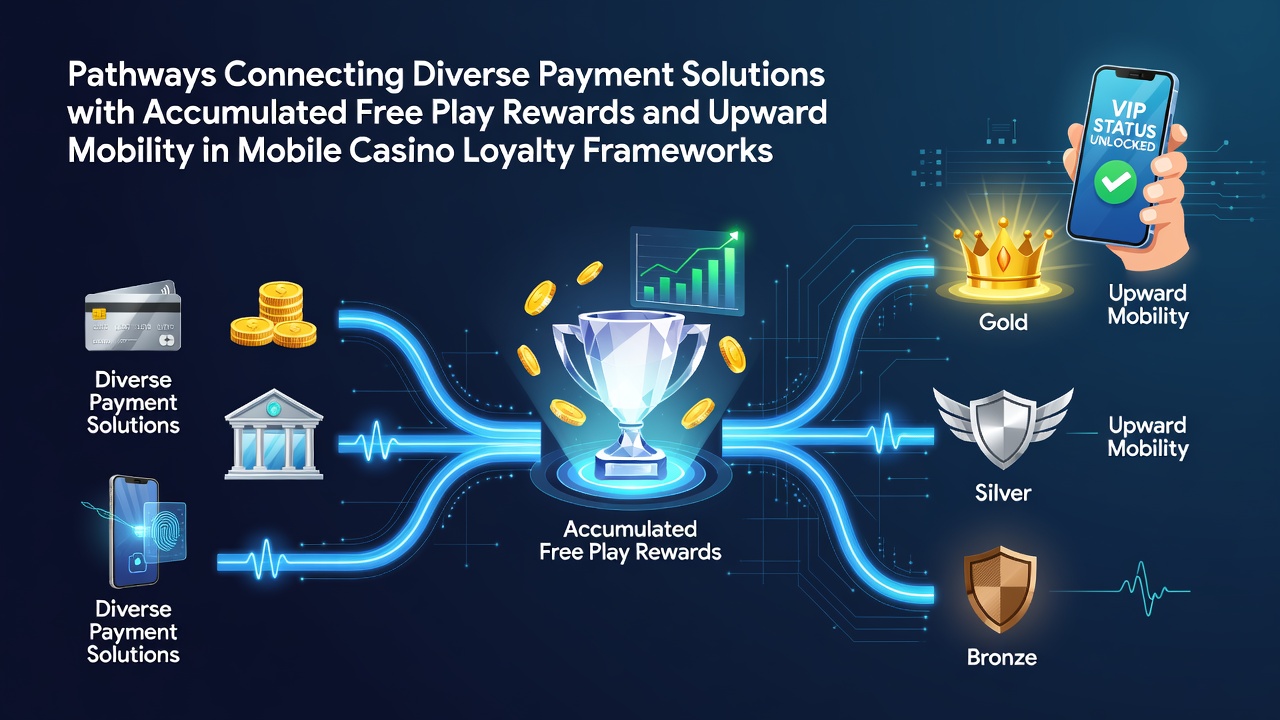
Payment solutions form the entry point in mobile casino loyalty frameworks where users deposit funds through credit cards, e-wallets, bank transfers, and digital currencies, and those same transactions often trigger initial free play credits that begin the accumulation process. Research from the American Gaming Association indicates deposit methods influence bonus eligibility rates, with certain e-wallets showing faster reward crediting compared to traditional bank wires in various North American markets. Data collected across multiple platforms reveals players who use instant payment options accumulate free play balances at higher volumes during the first 30 days of activity. Observers note that loyalty programs track every deposit and wager to convert activity into tier points, and these points determine upward mobility through bronze, silver, gold, and platinum levels. Each tier unlocks additional free play allocations, cashback percentages, and personalized bonuses. Studies conducted by university research teams in Canada demonstrate that seamless payment integration correlates with longer session durations because users spend less time navigating funding steps and more time on games that generate points.Payment Methods and Their Role in Free Play Generation
Diverse payment options create distinct pathways for reward accumulation since many mobile casinos structure deposit bonuses around the chosen method. Credit card deposits frequently carry percentage-based matches that convert directly into free play credits, while e-wallet transactions may include additional spins or bonus cash as promotional layers. Figures from industry reports show that platforms accepting multiple currencies experience higher conversion rates from deposit to active play because users avoid conversion fees that reduce available bonus funds. And the connection extends beyond the initial deposit because ongoing transactions continue to feed reward pools. Recurring deposits through verified methods often receive loyalty multipliers that accelerate point totals toward the next tier. Those who've examined transaction logs across Australian gaming operators find that bank transfer users sometimes receive delayed bonus releases compared to digital wallet users, which affects the speed of upward mobility in the loyalty structure.Accumulation Mechanics and Tier Progression
Free play rewards build through a combination of deposit volume, wager amount, and game type participation, with each element feeding into a central points ledger. Mobile frameworks calculate daily and weekly totals automatically, then apply them toward tier advancement thresholds that reset on monthly cycles. Evidence suggests players who maintain consistent payment activity across several weeks reach silver and gold levels faster than those with sporadic funding patterns.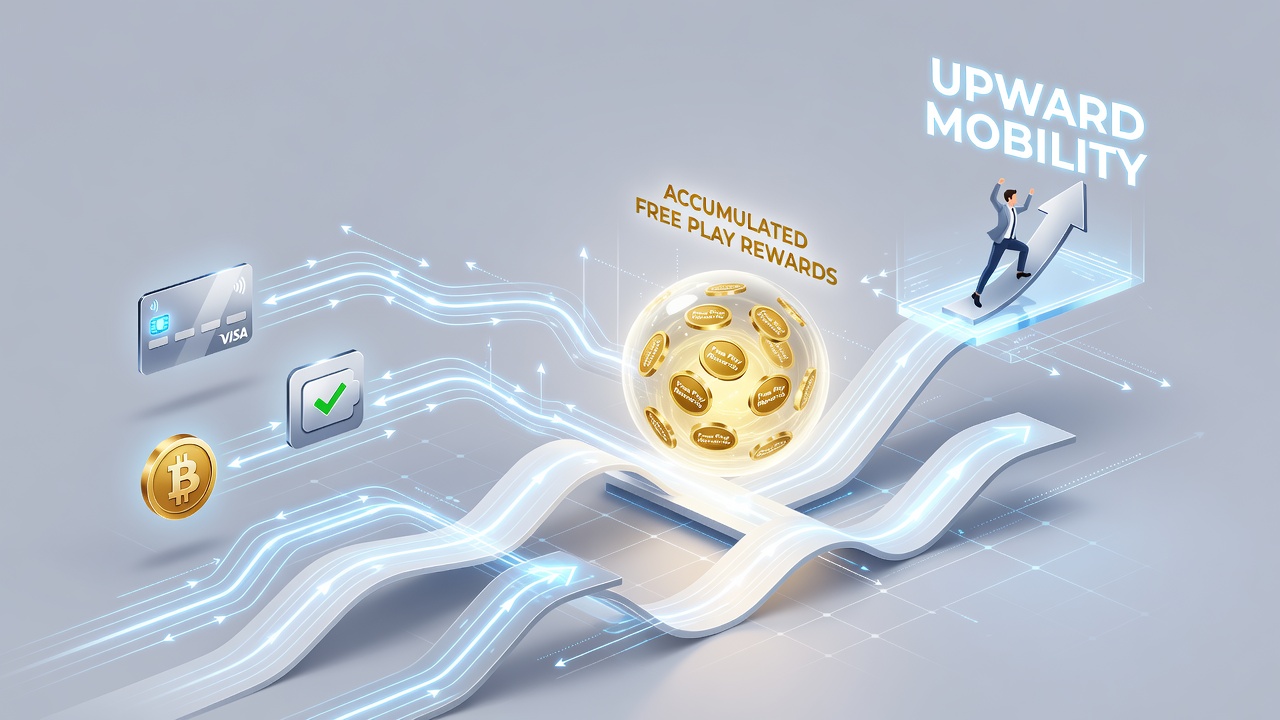 What's interesting is how loyalty algorithms assign extra weight to certain payment methods during promotional periods, such as August 2026 campaigns that highlighted digital currency deposits for double point earnings. These temporary adjustments create short-term surges in tier movement for users who align their funding choices with the active offers. Researchers tracking similar campaigns in European markets observed measurable increases in average player tenure once the new tiers activated additional free play benefits.