Mapping Financial Trails: How Spin Bonuses Connect to Table Game Developments in Mobile Casino Environments
Petra Carter · Aug 19, 2026
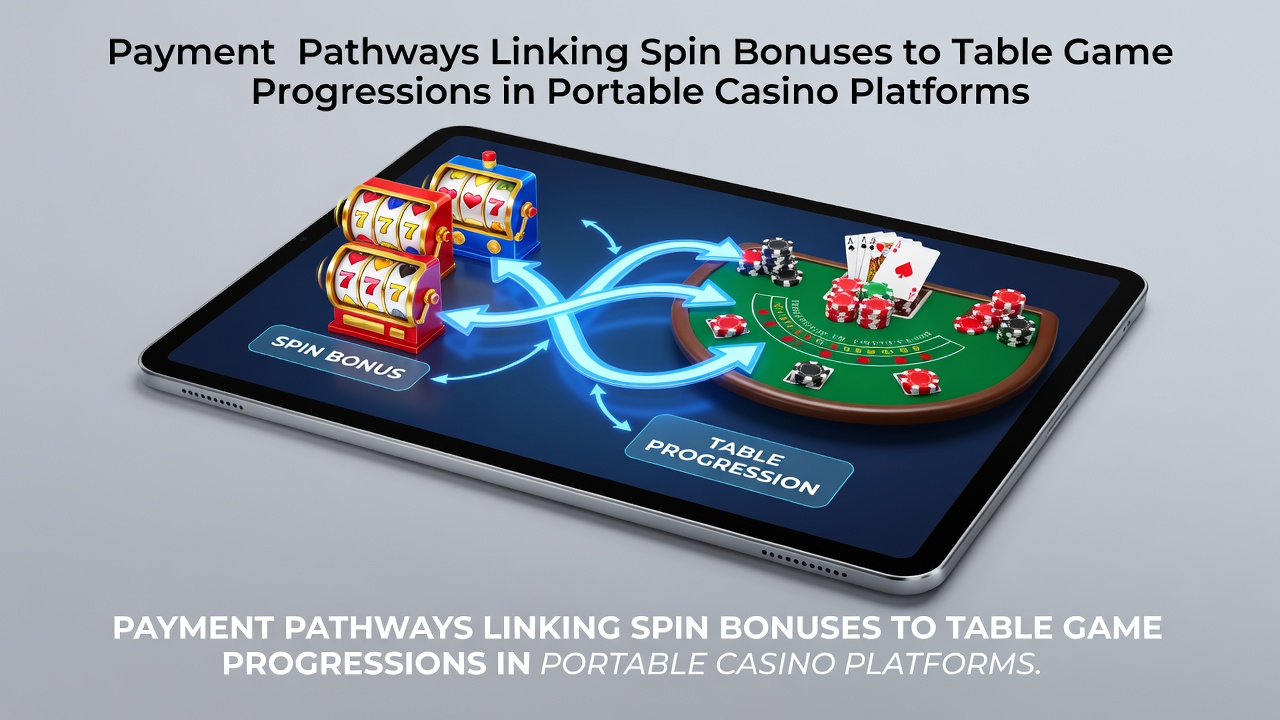
Mapping Financial Trails: How Spin Bonuses Connect to Table Game Developments in Mobile Casino Environments
Payment pathways in portable casino platforms operate through integrated systems that route rewards from slot spin bonuses directly into table game accounts, creating seamless transitions for players across devices. Data from industry reports shows these mechanisms rely on automated ledgers and real-time verification protocols that track bonus values as they convert into playable credits for games like blackjack or roulette. Observers note that such pathways often involve multi-layered authentication steps where initial spin earnings undergo conversion checks before funding table sessions, and this process has gained traction as mobile usage rates climbed throughout 2025 and into August 2026.
Core Mechanics of Bonus Routing Systems
Spin bonuses typically originate from slot machine algorithms that award credits based on predefined volatility patterns, and these credits then enter payment pipelines managed by platform operators. Researchers at institutions like the University of Nevada's gaming studies department have documented how these pipelines use API connections to shift funds between game categories without requiring separate deposits. The American Gaming Association highlights in its annual reviews that operators deploy escrow-style holding periods during transfers, which prevents premature withdrawals while allowing progression tracking across sessions. Those who've analyzed transaction logs find that conversion rates from spins to table credits average around 70 percent in regulated markets, with the remainder often absorbed by platform fees or wagering requirements.
Portable platforms add another layer through device-specific tokens that authenticate each transfer, ensuring compliance with regional standards set by bodies such as the Nevada Gaming Control Board. Experts have observed that these tokens integrate with mobile wallets, permitting users to monitor balances in real time as bonuses move toward table game interfaces. Data indicates that delays in routing rarely exceed 30 seconds on optimized networks, though network congestion during peak hours can extend this window slightly.
Progression Pathways to Table Games
Once spin bonuses reach table game sections, platforms apply progression multipliers that scale rewards according to play volume and game type. Studies from the Canadian Centre for Gaming Research reveal patterns where initial bonus amounts trigger tiered access, unlocking higher-stakes tables after certain thresholds are met. Payment flows here incorporate conditional triggers, such as minimum bet requirements, that activate only after verification confirms the source as legitimate spin earnings. Observers note that this setup encourages extended engagement because table progressions often feed back into loyalty metrics, which in turn generate additional bonuses.
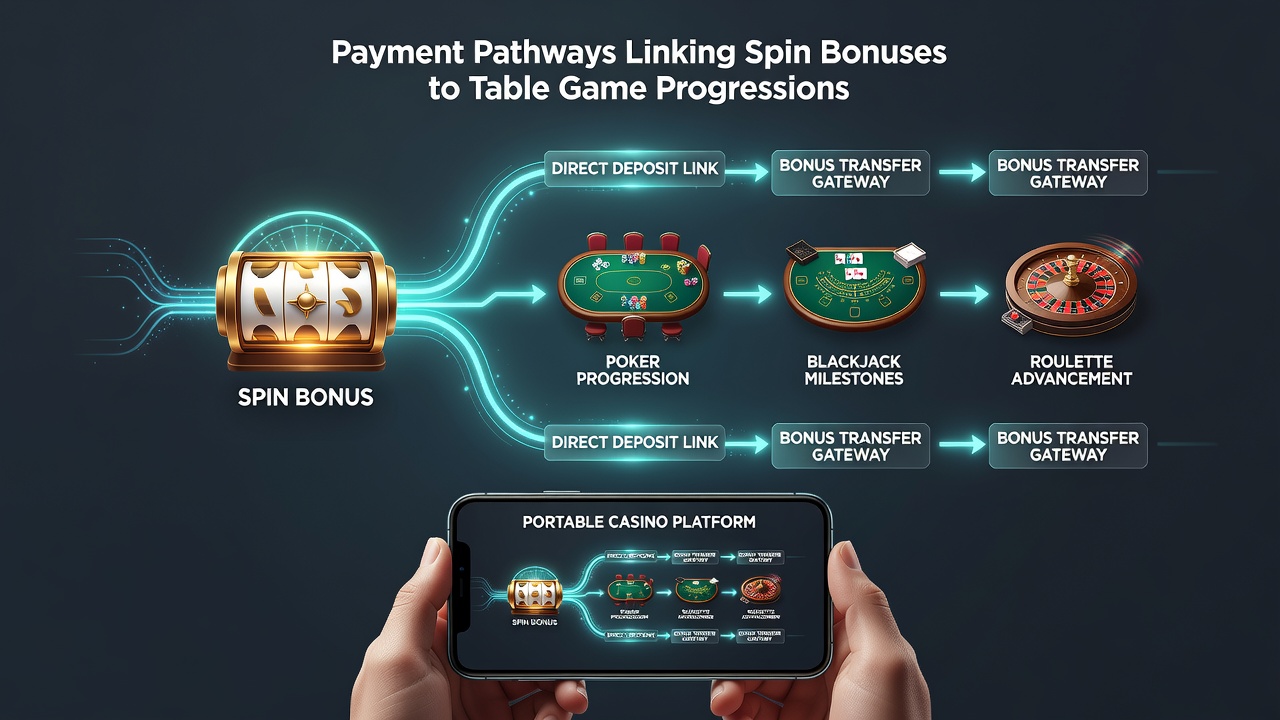
Integration with live dealer modules further refines these pathways, as platforms synchronize bonus credits with real-time game streams through encrypted channels. Figures from European gaming associations show that mobile users who follow spin-to-table routes complete an average of 15 percent more hands per session compared to direct table entrants. The process relies on unified ledgers that update across devices, allowing players to resume table progressions on tablets or phones without balance discrepancies.
Technical Infrastructure and Security Protocols
Underlying these pathways sit distributed ledger technologies and secure socket layers that validate every transaction step. Reports from the Singapore Casino Regulatory Authority detail how operators employ blockchain elements for audit trails, particularly when bonuses cross from slots into table environments. Such infrastructure supports instant reconciliation, reducing errors that once plagued manual transfers. Those who've examined security audits find encryption standards now meet or exceed ISO benchmarks, with biometric checks often layered on top for mobile access.
August 2026 updates in several jurisdictions introduced standardized reporting for cross-game transfers, requiring operators to log spin-to-table movements with greater granularity. This shift stems from collaborative efforts among regulators in North America and Asia, aiming to align verification methods across borders. Platforms that adapted early report fewer compliance issues, as automated systems now flag anomalies during the routing phase itself.
Regional Variations in Implementation
Implementation differs notably by region, with North American platforms favoring rapid credit conversions while Asian markets emphasize staged releases tied to identity verification. Research papers from Australian academic centers on gambling technology describe hybrid models that blend both approaches, using geofencing to adjust pathways based on user location. Payment gateways in these systems handle currency conversions on the fly when bonuses move internationally, though most activity remains within single jurisdictions.
Industry organizations track these variations through shared databases, revealing that portable casino ecosystems process billions in spin-derived credits annually. The reality is that efficiency gains from streamlined pathways have reduced operational costs for operators, freeing resources for further platform enhancements.
Conclusion
Payment pathways linking spin bonuses to table game progressions continue to evolve alongside mobile technology, supported by data from regulatory bodies and research institutions across multiple continents. These systems maintain objective tracking mechanisms that prioritize compliance and transaction integrity while facilitating player movement between game types. As platforms refine their infrastructure, the connections between slot incentives and table advancements remain a central feature of portable casino operations.