Mapping Digital Wallet Trails to Tiered Incentives in Smartphone Table Game Systems
Petra Carter · Aug 26, 2026
Mapping Digital Wallet Trails to Tiered Incentives in Smartphone Table Game Systems
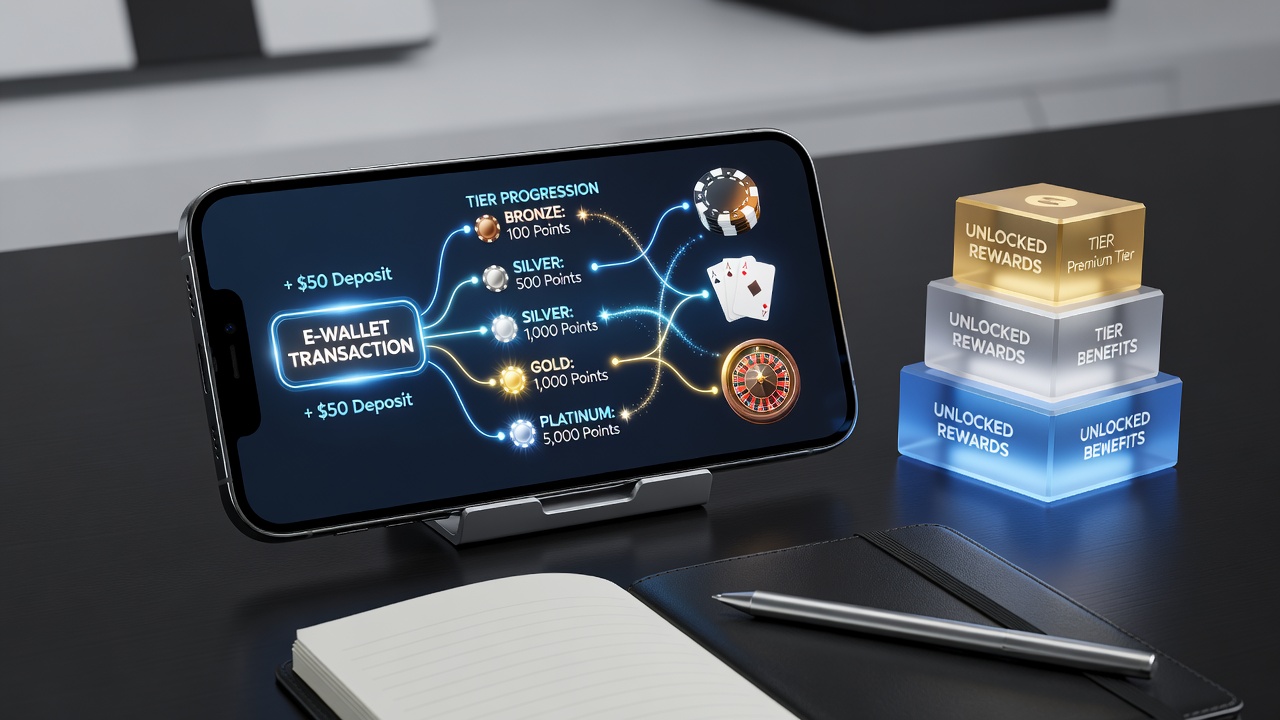
Observers note that e-wallet activity now forms the backbone of reward tracking in smartphone table game environments where players engage with blackjack, poker and roulette applications. Transaction records from services such as PayPal, Skrill and Neteller feed directly into loyalty engines that calculate progress toward bronze, silver, gold and platinum tiers. Data compiled through August 2026 shows consistent patterns in how deposit frequency, average transfer size and withdrawal timing influence tier advancement across major mobile platforms.Core Mechanics of Transaction Tracing
Developers embed unique identifiers in each e-wallet transfer so that backend systems can match incoming funds to specific user accounts and game sessions. When a player funds a table game session the timestamp, amount and merchant category code travel alongside the payment. These data points allow algorithms to assign points automatically once thresholds are met. Researchers at the International Gaming Institute have documented how even micro-transactions of a few dollars contribute to cumulative totals when they occur within defined time windows.
Security protocols require that each wallet address or account number undergoes verification before rewards activate. Multiple transfers from the same source within a 24-hour period often trigger additional review layers to prevent duplicate counting. This process ensures that tier status reflects genuine activity rather than repeated small movements designed to game the system.
Regional Data Patterns Emerging in 2026
Reports from the Nevada Gaming Control Board indicate that mobile table game participation linked to e-wallets rose steadily through the first half of 2026. Average session deposits tracked via digital wallets reached new monthly highs in July, with many users progressing from entry-level tiers to mid-tier status within four to six weeks. Similar trends appear in records shared by the Malta Gaming Authority, where cross-border wallet flows support players accessing international table game applications.
One study released by the University of Nevada, Las Vegas examined 50,000 anonymized accounts and found that users who combined frequent smaller deposits with occasional larger transfers advanced through tiers 30 percent faster than those relying on single large movements. The findings also revealed that withdrawal timing affects point retention, as early cash-outs sometimes reset progress counters on certain platforms.
Practical Examples from Platform Operations
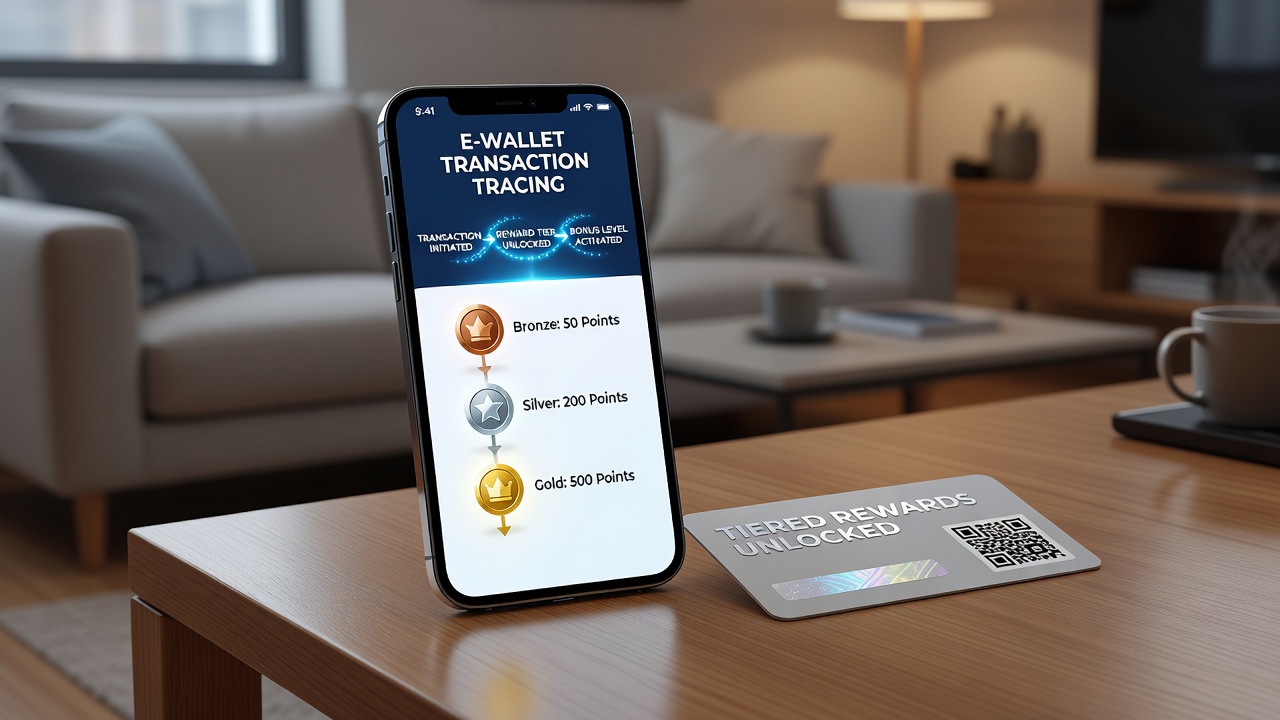
Take the case of a European operator that integrated real-time wallet monitoring into its poker application. Observers note that players completing three verified deposits of at least 20 euros within seven days automatically receive silver-tier access, unlocking reduced rake and priority seating at virtual tables. The same system logs every withdrawal so that any reversal of funds triggers an immediate recalculation of tier points.
Another instance involves an Australian-facing platform where Neteller transfers above a set threshold unlock instant gold status for 30 days. Platform logs show that these accelerated tiers produce higher table game volume during the promotional window, after which many users maintain activity levels sufficient to retain the status through regular play. Industry analysts tracking these flows emphasize the importance of accurate timestamp matching to avoid disputes over delayed reward credits.
Challenges in Maintaining Accurate Records
Transaction tracing grows complicated when users switch between multiple e-wallet providers or when currency conversions occur mid-transfer. Systems must normalize amounts and apply exchange rates at the moment of deposit to ensure fair point allocation. Delays in settlement from certain wallet services occasionally push recorded dates into the following day, which can shift a user across monthly reporting periods and alter tier calculations.
Regulatory frameworks in several jurisdictions now require operators to retain full wallet transaction histories for at least five years. These mandates support audits that verify whether reward programs operate without discrimination and that tier benefits reflect documented activity. Compliance teams routinely cross-reference wallet logs against game logs to confirm that points correspond to actual table game participation rather than deposit-only behavior.
Future Developments in Tracking Technology
Emerging solutions incorporate blockchain elements that create immutable records of each wallet interaction. These ledgers allow platforms to reconstruct entire transaction sequences without relying on centralized databases that may experience downtime. Early tests conducted by research groups in Canada demonstrate reduced reconciliation times when disputes arise over missing tier credits.
Integration with biometric authentication on smartphones further strengthens the link between wallet activity and individual accounts. Fingerprint or facial recognition logs accompany transfer confirmations, adding another layer of verification that helps maintain the integrity of reward tier assignments across diverse operating systems.
Conclusion
Tracing e-wallet transactions provides the measurable foundation for tiered reward systems in smartphone table game ecosystems. Consistent data collection, accurate normalization of amounts, and adherence to regional reporting standards allow platforms to deliver benefits that scale with documented player behavior. As technology evolves through late 2026, the precision of these tracking methods continues to shape how users progress through reward structures while meeting oversight requirements from multiple regulatory bodies.