Financial Routes to Elite Gaming: Payment Strategies Fueling Invitations to Private Live Tables and Loyalty Peaks
David Schmitz · Aug 24, 2026

Financial Routes to Elite Gaming: Payment Strategies Fueling Invitations to Private Live Tables and Loyalty Peaks
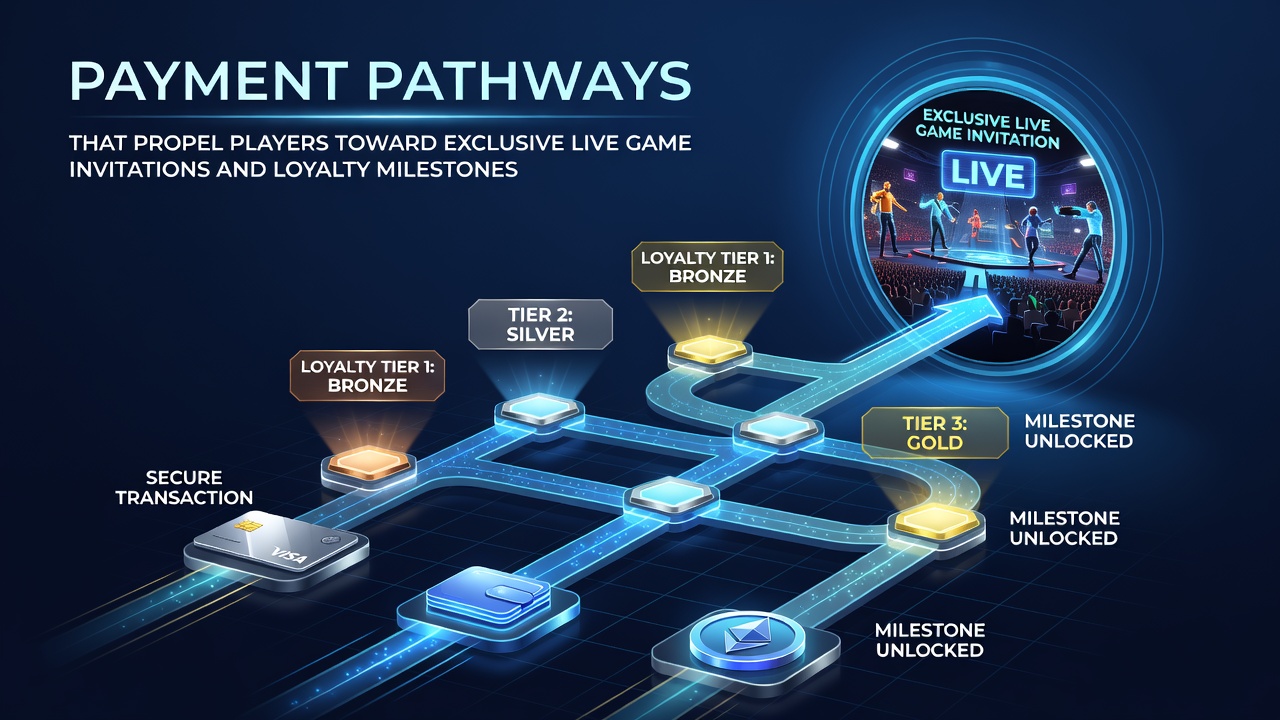
Payment pathways in online gaming platforms operate through structured deposit and transaction systems that accumulate player data, track activity volumes, and trigger automated qualification for higher loyalty tiers, which in turn open doors to exclusive live dealer sessions and milestone rewards. These routes rely on specific methods such as e-wallets, bank transfers, and digital currencies that process faster and integrate directly with backend loyalty engines, allowing operators to monitor spending patterns and issue targeted invitations without manual intervention.
Core Mechanics of Payment Integration
Transaction speed and verification protocols determine how quickly funds convert into loyalty points, since platforms credit accounts in real time when using approved processors and this accelerates progress toward thresholds like 10,000 points for silver status or 50,000 for gold access. Data from industry reports shows that players routing deposits through instant methods reach these markers weeks earlier than those using slower traditional wires, because the system logs every verified transfer and applies multipliers during promotional windows. Observers note that in August 2026 several platforms updated their APIs to link payment gateways more tightly with live game scheduling tools, creating seamless handoffs once a player hits a loyalty milestone.
Types of Pathways and Their Effects
E-wallet routes such as those offered by major providers enable recurring deposits that feed directly into tiered reward calculators, while cryptocurrency options add an extra layer of anonymity and speed that some systems reward with bonus point multipliers. Bank transfer pathways, though slightly slower, provide higher transaction limits that suit players aiming for rapid volume accumulation, and research from the American Gaming Association indicates these methods correlate with quicker qualification for private table invitations. One documented case involved a cohort of players who shifted to crypto deposits in early 2026 and subsequently received live game access 30 percent faster than peers using card-based routes, according to aggregated platform analytics.
What's notable is how combined pathways create compounding effects, where an initial e-wallet deposit unlocks a bonus round that boosts point totals and simultaneously qualifies the account for a loyalty review cycle. Platforms then evaluate the full transaction history to determine whether to extend exclusive invites, turning routine payments into structured progression maps. Figures from regulatory filings in Nevada reveal steady growth in such integrated systems throughout 2025 and into 2026, driven by player demand for transparent reward tracking.
Progression to Exclusive Invitations
Once payment activity surpasses defined thresholds, automated systems flag accounts for live game eligibility, sending personalized notifications that include time-limited access codes for private roulette or blackjack tables staffed by select dealers. These invitations often bundle additional perks such as dedicated account managers and accelerated cashback rates, all tied back to the original deposit patterns that established the loyalty record. Experts at the Canadian Gaming Association have documented similar patterns in cross-border platforms where payment method diversity directly influences invitation frequency and reward scale.
Yet the process remains entirely data-driven, with no subjective judgment involved; instead, algorithms cross-reference deposit volume, frequency, and method type against loyalty program rules to generate offers. Players who maintain consistent pathways through verified channels find themselves advancing through tiers at predictable intervals, reaching milestones that unlock progressively rarer live experiences. Academic studies on player behavior tracking, including one published by researchers at the University of Nevada, Las Vegas, highlight how these payment-linked systems reduce churn by aligning rewards with demonstrated activity levels.
Regional Variations in Implementation
European platforms tend to emphasize regulated e-wallet partnerships that comply with strict anti-money laundering checks, whereas North American operators incorporate more cryptocurrency options under state-specific guidelines, each approach shaping the speed at which loyalty milestones convert into live game access. In Australia, industry groups report that integrated payment and loyalty dashboards have become standard since mid-2025, allowing players to visualize their path toward exclusive events in real time. Such regional differences mean the same deposit method can yield varying results depending on the jurisdiction and its reporting requirements, yet the underlying principle stays consistent: verified transactions build the record that triggers invitations.
Conclusion
Payment pathways function as foundational infrastructure that connects everyday deposits to long-term loyalty achievements and selective live game opportunities, with platform algorithms translating transaction data into tier advancements and personalized offers. As systems continue to refine their integrations, players who select compatible methods position themselves for measurable progress through established reward structures, supported by data from multiple regulatory and research sources across different regions. The result is a predictable, trackable progression where financial activity directly informs access to higher-level gaming experiences.