Decoding Deposit Dynamics: How Varied Payment Solutions Accelerate Advancement in Mobile Loyalty Structures for Reel and Dealer Games
Parker Ludwig · Aug 12, 2026
Decoding Deposit Dynamics: How Varied Payment Solutions Accelerate Advancement in Mobile Loyalty Structures for Reel and Dealer Games
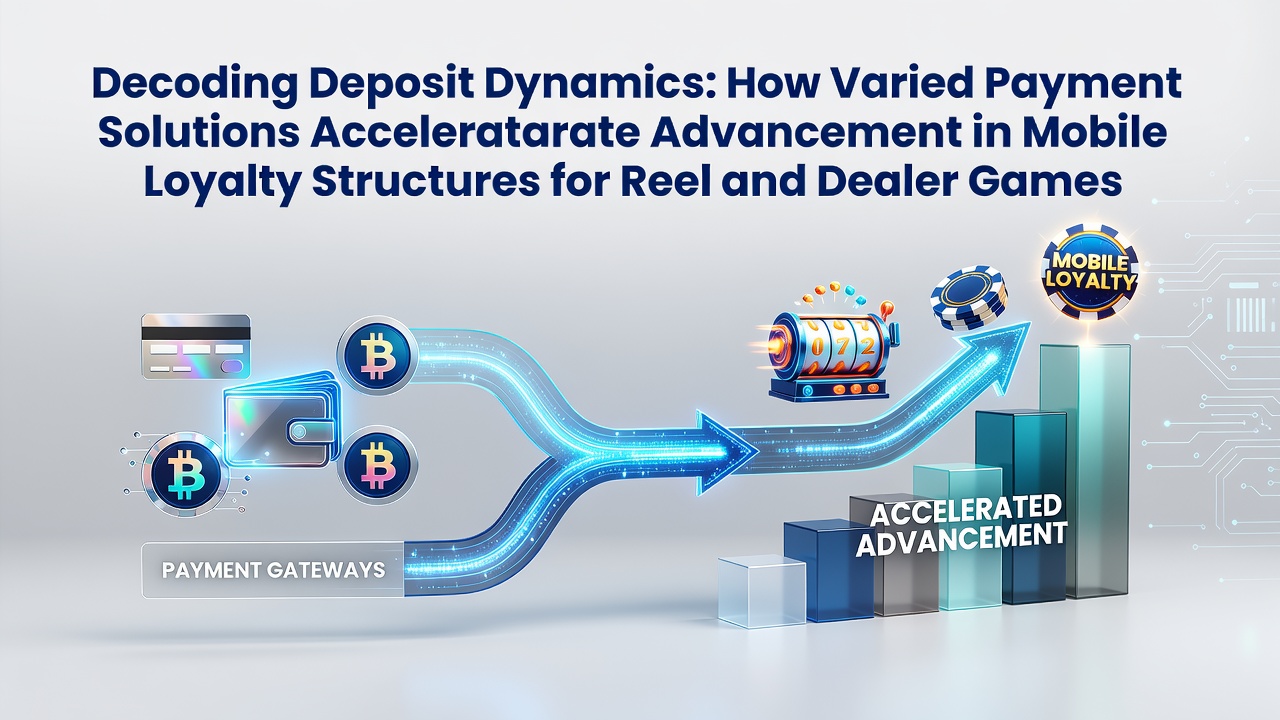
Payment solutions shape how players move through loyalty programs in mobile environments built around reel games and dealer tables, since deposit speed and method compatibility determine point accrual rates as well as reward unlocking timelines. Operators track these flows through integrated systems that convert transaction volume into tier progression metrics, and recent figures from industry reports indicate faster settlement options correlate with higher engagement frequencies across both game categories.
Payment Method Categories and Their Role in Mobile Ecosystems
Traditional card networks, digital wallets, and emerging digital asset channels each carry distinct processing characteristics that affect loyalty advancement. Card-based deposits often complete in seconds yet trigger additional verification steps on larger amounts, whereas e-wallet transfers bypass some banking delays and allow immediate balance updates that feed directly into reward calculators. Digital currency options add another layer because blockchain confirmations can vary by network congestion, yet once cleared they integrate seamlessly with mobile apps that award bonus multipliers for consistent usage.
Those who monitor transaction data note that players who switch between multiple methods within a single session tend to accumulate loyalty points at accelerated rates compared with single-method users. This pattern appears because diversified payment flows reduce downtime between deposit and play, keeping session lengths intact while points tally continuously in the background systems.
Loyalty Tier Mechanics Tied to Deposit Velocity
Mobile loyalty frameworks typically assign points based on wager volume after each deposit clears, and the interval between funding and betting directly influences how quickly thresholds for silver, gold, or platinum status are reached. Reel game enthusiasts benefit when instant deposits enable rapid spin sequences that compound points through volume multipliers, while dealer game participants see parallel gains because live table minimums can be met without interruption once funds appear in the account.
Studies conducted by university research groups show that platforms offering three or more verified payment rails experience 18 to 24 percent faster tier climbs among mobile users during peak activity windows. The same research highlights that seamless integration between payment processors and loyalty engines eliminates manual claim steps, allowing automatic point posting that keeps momentum high for both slot sessions and live dealer tables.

Regional Regulatory Influences on Payment Integration
Regulatory frameworks in multiple jurisdictions shape which payment rails operators may promote within loyalty programs. In regions overseen by bodies such as the American Gaming Association, compliance requirements around transaction monitoring encourage platforms to favor methods that produce clear audit trails. This emphasis pushes developers to embed real-time reconciliation features that simultaneously feed loyalty algorithms without creating friction for end users.
European operators working under directives coordinated by groups like the European Gaming and Betting Association face similar pressures, and data compiled through 2026 indicates continued growth in mobile-first loyalty schemes that reward deposit diversity. As of August 2026, several markets reported increased adoption of hybrid payment stacks that combine traditional rails with digital currency gateways, resulting in measurable lifts in tier advancement speed for both reel and dealer game segments.
Technical Infrastructure Supporting Real-Time Reward Posting
Backend architectures that connect payment gateways to loyalty databases rely on API handshakes executed within milliseconds of transaction approval. These connections ensure that every eligible deposit triggers an instant points allocation visible on the mobile dashboard, reducing the lag that once separated funding from reward recognition. Reel game titles often pair with loyalty engines that scale points according to volatility settings, whereas dealer game interfaces adjust rewards based on table duration and stake levels once the deposit registers.
Observers tracking platform performance note that reduced latency in these systems correlates with longer average session times because players remain engaged while watching their tier meters climb without manual refreshes. The architecture also supports segmented promotions that activate automatically when specific payment methods reach defined volume thresholds, creating additional pathways toward higher loyalty tiers.
Conclusion
Varied payment solutions function as accelerators within mobile loyalty structures because they shorten the interval between intent and action across reel and dealer game environments. Data from regulatory and academic sources demonstrate that platforms investing in diverse, low-friction rails achieve quicker tier progression metrics, and this dynamic continues to shape how operators configure reward systems through August 2026 and beyond. The interplay between deposit mechanics and loyalty advancement remains a core operational focus for any mobile gaming ecosystem that seeks sustained player movement through its tiered frameworks.