Connecting Deposit Channels to Loyalty Milestones in Smartphone Live Casino Settings
David Schmitz · Jun 3, 2026

Connecting Deposit Channels to Loyalty Milestones in Smartphone Live Casino Settings
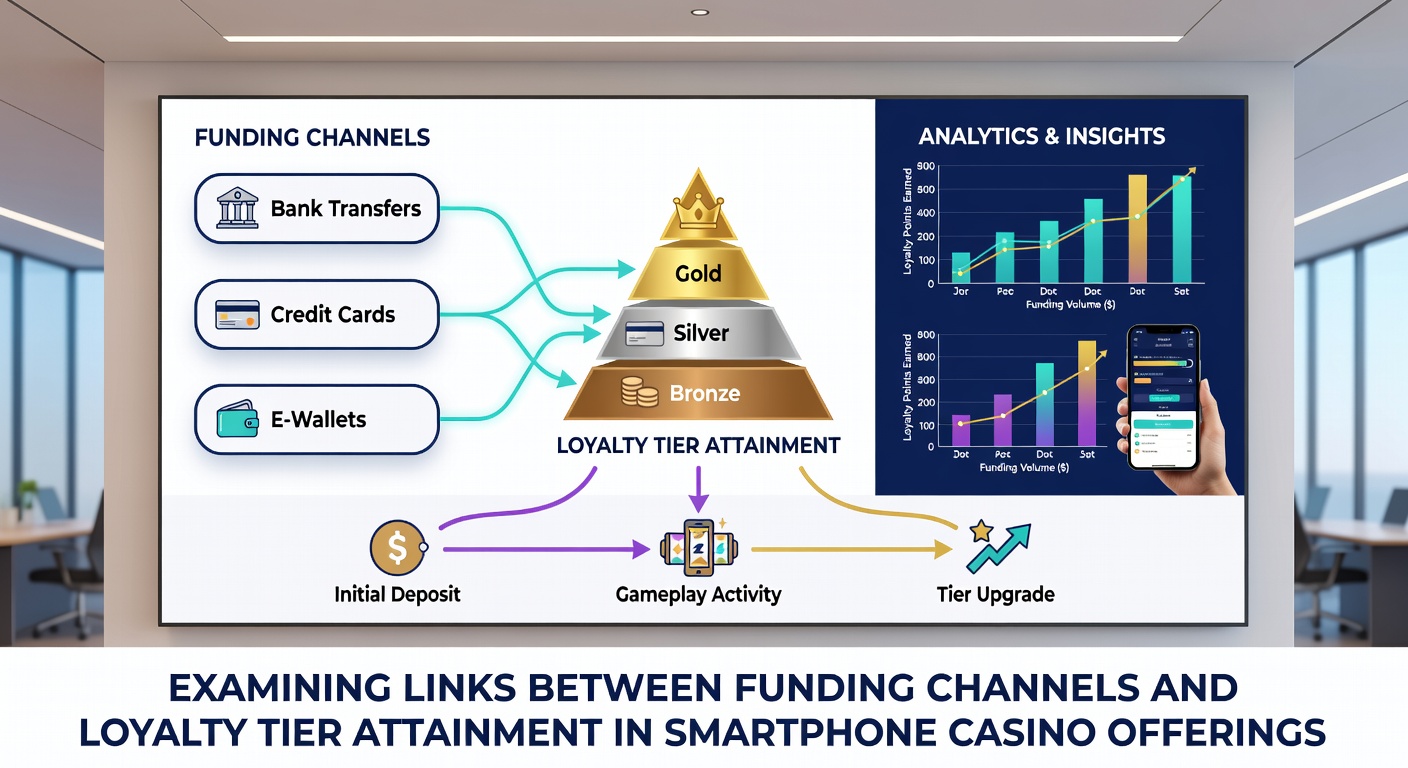
Payment systems in smartphone casino platforms with real-time tables create measurable pathways toward higher loyalty tiers, and industry data tracks these connections through deposit frequency, transaction size, and method type. Observers note that instant funding options such as digital wallets and bank transfers often correlate with faster accumulation of reward points, while slower methods like certain card processors show different patterns in player progression metrics. Research indicates these links emerge because real-time table environments reward consistent engagement, and seamless deposits reduce friction between sessions.
Payment Methods and Their Observable Effects on Reward Accumulation
Digital wallet transactions dominate recent platform statistics because they enable immediate play on live dealer tables, and this speed allows players to maintain momentum that contributes to tier advancement. Bank transfers, by contrast, introduce brief delays yet still support steady point collection when users schedule them in advance. Credit and debit card options occupy a middle ground where processing times vary by provider, and data shows that platforms record higher loyalty movement among users who combine multiple methods within a single month. Figures from sector reports reveal that average deposit values above a certain threshold accelerate tier climbs by unlocking multiplier bonuses tied directly to live table activity.
Patterns Across Real-Time Table Formats
Live roulette and blackjack sessions generate points at rates influenced by bet volume, and funding channels that support quick top-ups help sustain those volumes without interruption. Baccarat tables follow similar dynamics where high-stakes rounds reward continuous participation, and players utilizing instant funding report fewer session breaks. Platform analytics demonstrate that loyalty algorithms factor in both the timing and the source of deposits, creating differentiated progression speeds depending on whether funds arrive via cryptocurrency processors or traditional electronic transfers. One analysis of aggregated user data found that individuals employing at least two distinct funding channels per quarter reached mid-tier status roughly 15 percent faster than single-method users.
Data Trends Emerging in Mid-2026
June 2026 platform updates introduced refined tracking tools that separate deposit source from game type, and preliminary outputs indicate stronger correlations between wallet-based funding and live table loyalty gains. Industry organizations such as the American Gaming Association have compiled comparable cross-market figures showing similar patterns in mobile environments. These datasets also highlight regional variations where regulatory frameworks shape available channels, yet the underlying connection between funding fluidity and tier attainment remains consistent across jurisdictions.
Observers point out that cryptocurrency options, when permitted, produce distinct loyalty trajectories because transaction confirmations occur rapidly and support micro-adjustments during extended live sessions. Traditional card networks, while reliable, sometimes trigger verification steps that pause momentum and indirectly slow point accrual. Research from academic sources including university-led gaming studies confirms that players who maintain diversified funding profiles achieve upper-tier thresholds with greater frequency, and this holds true whether the focus rests on European, North American, or Asia-Pacific markets.
Platform Design Choices Affecting Progression
Smartphone interfaces integrate deposit buttons directly into live table lobbies, and this design reduces the steps between funding and continued play. Loyalty engines then register these seamless transitions as sustained engagement signals that boost tier movement. Some operators link specific payment promotions to live dealer activity, creating additional point multipliers that compound when users select approved channels. Data indicates these incentives produce measurable upticks in tier advancement rates during promotional windows, particularly when real-time tables feature side bets or progressive jackpots.
Security protocols around certain funding methods add another layer, because verified accounts gain faster processing and therefore more uninterrupted table time. Platforms that streamline KYC integration with deposit flows report higher retention within loyalty programs, and this retention translates into accelerated tier climbs according to internal metrics shared in industry briefings. The European Gaming and Betting Association has noted parallel developments in member platforms where integrated payment and reward systems yield stronger player progression statistics.
Conclusion
Connections between funding channels and loyalty tier attainment in smartphone casino offerings with real-time tables rest on observable patterns of transaction speed, method diversity, and integration with live play mechanics. Data collected through mid-2026 continues to map these relationships across varied markets, revealing consistent trends where instant and flexible deposit options align with quicker advancement through reward hierarchies. Platform operators refine these systems based on such evidence, while researchers track outcomes to understand broader engagement dynamics in mobile live casino environments.