Charting Electronic Transfer Routes That Accelerate Status Upgrades Across App-Based Table and Reel Platforms
Lars Bauer · Aug 7, 2026
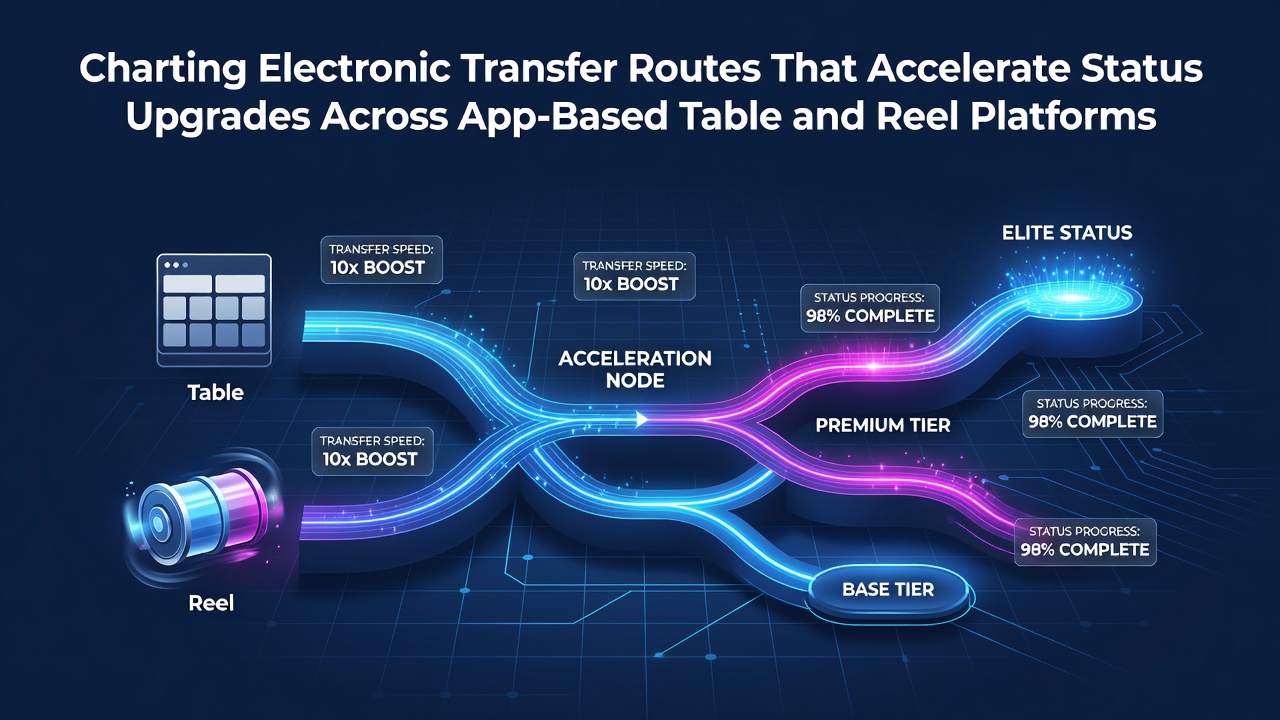
Charting Electronic Transfer Routes That Accelerate Status Upgrades Across App-Based Table and Reel Platforms
Electronic transfer routes have emerged as central components in app-based gaming ecosystems where users engage with reel and table platforms, and these pathways often determine how quickly participants accumulate the activity metrics required for status elevation. Data from industry reports shows that platforms integrate multiple transfer options including e-wallets, instant bank links, and digital currency channels to support deposit flows that align with point-earning mechanics in both slot sessions and live dealer environments.
Observers note that transfer speed directly influences session frequency since faster fund arrivals enable continuous play without interruption, and this pattern appears across numerous mobile applications that track wager volume for tier progression. Studies conducted by research institutions indicate that users who select optimized electronic routes complete deposits in under 30 seconds on average, compared to longer processing times associated with conventional bank wires, which creates measurable differences in daily activity logs.
Mapping Common Transfer Pathways in Mobile Ecosystems
App developers map several electronic routes that connect user accounts to gaming balances, and these include direct bank integrations through services like open banking protocols alongside established digital wallets that support multi-currency handling. According to findings from the American Gaming Association, such integrations have expanded in adoption rates during recent years as platforms respond to user preferences for reduced latency in fund movements. Reel-based games and table variants both register these deposits as qualifying activity, yet the routes differ in fee structures and confirmation times that affect overall progression velocity.
One documented case involves platforms that prioritize e-wallet channels for immediate crediting, allowing players to transition from deposit to active reels or card tables within moments, while other routes incorporate verification steps that extend the interval before play begins. Researchers have observed that these variations create distinct user segments where frequent participants gravitate toward the swiftest options to maintain momentum in point collection.
Impact on Status Upgrade Timelines Across Platforms
Status upgrade systems in these apps typically award points based on wager amounts and session duration, so the efficiency of incoming transfers influences how rapidly thresholds are met. Figures reveal that platforms employing accelerated electronic routes report higher rates of tier advancement within monthly cycles, particularly when combined with live table features that generate elevated point multipliers. In August 2026 several applications introduced enhanced routing options that further compress processing windows, and this development coincided with increased participation metrics tracked by independent analytics firms.
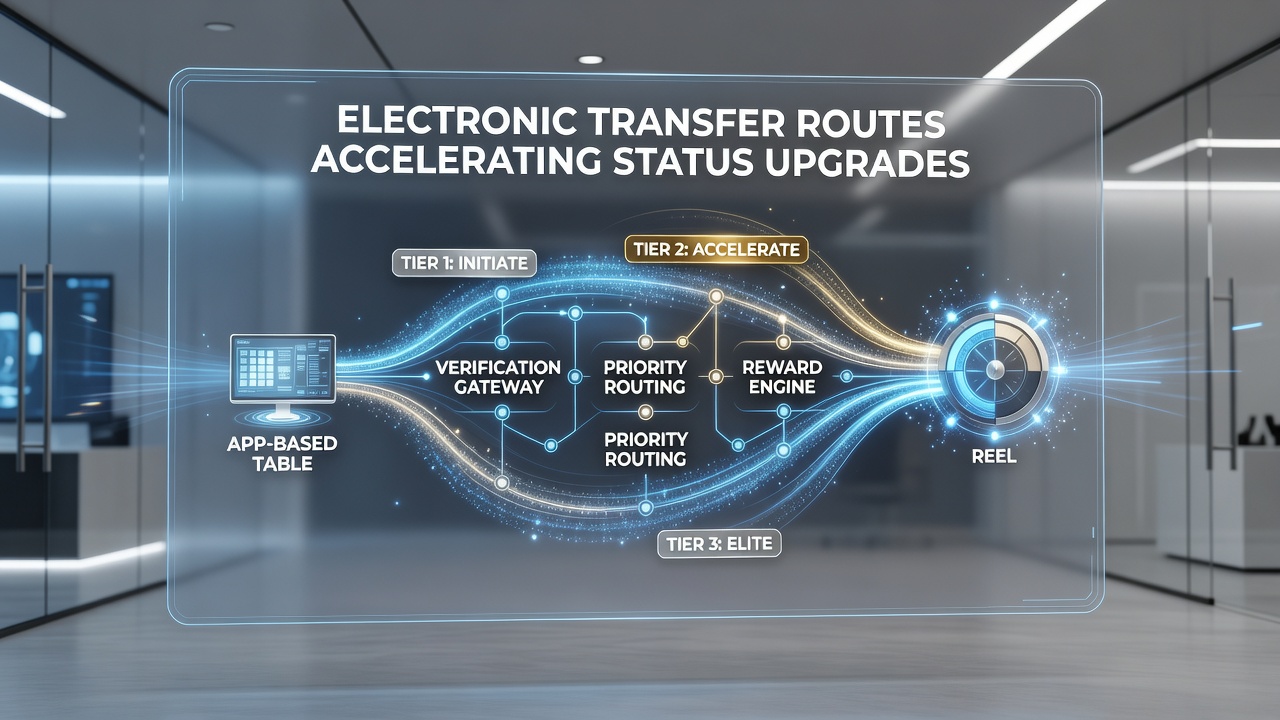
Take one analysis from a European research consortium that examined transfer logs across multiple jurisdictions and discovered correlations between route selection and upgrade frequency, whereas slower methods correlated with extended timelines to reach mid-tier levels. People who navigate these systems often discover that combining instant routes with table game sessions produces compounded effects on status accumulation because both deposit speed and game type contribute to the same metric pool.
Regional Variations in Route Availability and Regulation
Regulatory frameworks in different regions shape which electronic transfer routes receive approval for gaming deposits, and authorities in North America alongside those in Australia have issued guidance that distinguishes between permitted channels and those requiring additional oversight. Industry organizations report that these distinctions lead platforms to configure region-specific routing menus, ensuring compliance while still offering pathways that support efficient status progression for eligible users. Academic papers on digital payment adoption in gaming contexts highlight how such configurations influence user retention patterns over extended periods.
Yet the core mechanics remain consistent: once funds arrive via approved routes, they feed into the same activity tracking systems that govern upgrades, regardless of geographic origin. Data shows consistent patterns where users who align transfer choices with platform-optimized routes experience accelerated movement through tier structures in both reel and table environments.
Conclusion
Electronic transfer routes continue to define operational dynamics in app-based table and reel platforms by directly affecting the pace at which users achieve status upgrades. Evidence from multiple sources confirms that route optimization, regulatory alignment, and integration with game mechanics collectively shape progression outcomes across these digital environments, and ongoing developments in payment technology suggest further refinements in how these systems interconnect.